
Few winter trips feel as satisfying as stepping out of cold mountain air and into naturally heated mineral water. Hot springs resorts can combine the comfort of a spa vacation with snowy scenery, skiing, hiking, aurora viewing, or simply a quiet weekend away.
But winter hot springs trips require more planning than they may appear to. Mountain roads can be affected by snow, some outdoor pools occasionally close because of extreme weather, and the most popular resorts may sell out during holidays and ski season. Travelers should also check whether soaking is included with lodging, whether children can use the pools, and whether a rental car is necessary.
For this ranking, we weighed the quality and variety of natural hot springs, lodging convenience, winter atmosphere, transportation, nearby activities, operating schedules, reservation rules, and overall usefulness for a winter vacation. Prices change significantly by date, so travelers should compare the complete cost of lodging, soaking access, transportation, meals, and resort fees rather than room rates alone.
| Rank | Resort | Location | Best For | Winter Planning Difficulty |
|---|---|---|---|---|
| 1 | The Springs Resort | Pagosa Springs, Colorado | Best overall soaking getaway | Moderate |
| 2 | Glenwood Hot Springs Resort | Glenwood Springs, Colorado | Easiest transportation | Low |
| 3 | Ojo Caliente Mineral Springs Resort & Spa | Ojo Caliente, New Mexico | Quiet spa-focused escape | Moderate |
| 4 | Dunton Hot Springs | Dolores County, Colorado | Luxury retreat | High |
| 5 | Chena Hot Springs Resort | Near Fairbanks, Alaska | Hot springs plus northern lights | High |
#1 The Springs Resort
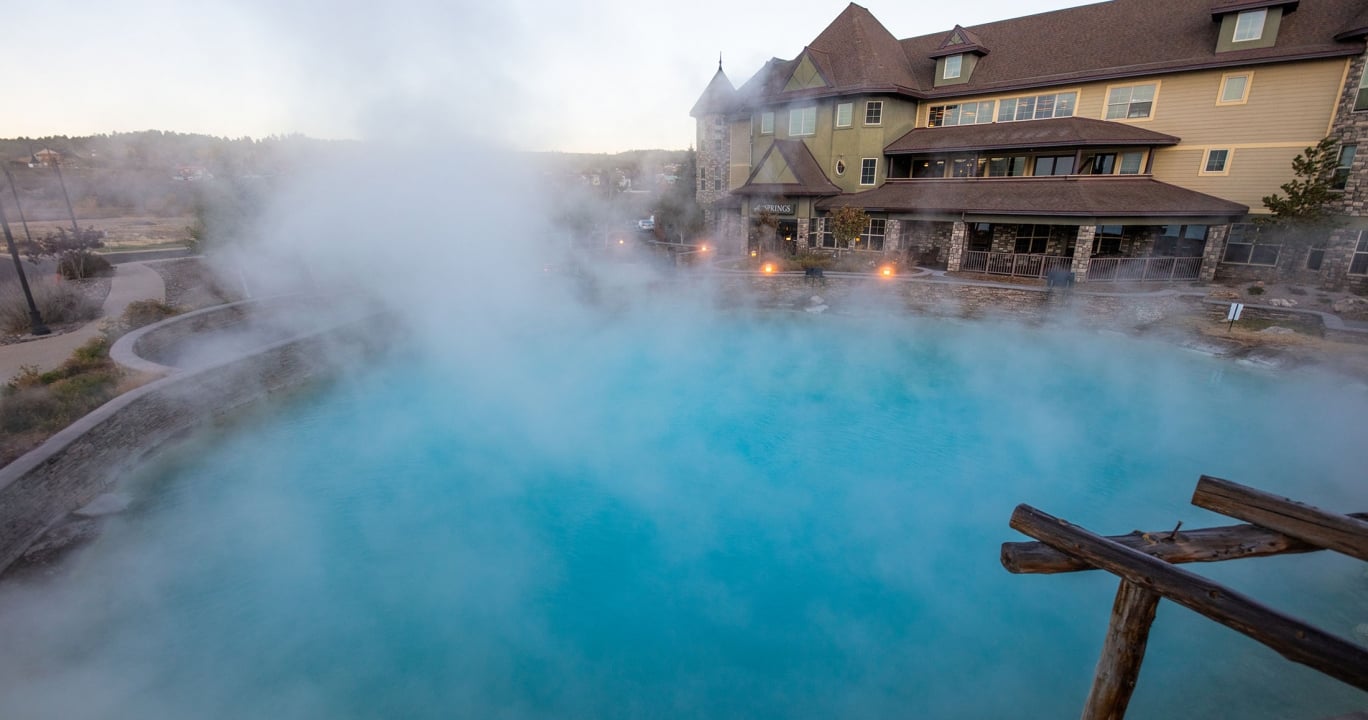
The Springs Resort in Pagosa Springs, Colorado, earns the top position because it combines a large selection of geothermal pools with lodging located only steps from the water. The resort operates throughout the year, including winter, and overnight guests receive 24-hour soaking access.
The property currently offers more than 45 geothermal pools and water features, including family-friendly pools, wellness-focused pools, and an adults-only Relaxation Terrace. That variety matters during a multiday trip because guests can move between pools instead of spending the entire stay in one large swimming area.
Winter is also an important season in Pagosa Springs. The resort identifies ski season, roughly early November through the beginning of April, as its second-busiest period. Nearby Wolf Creek Ski Area makes it possible to combine skiing and soaking in the same vacation.
Getting there: Most travelers will want a car. Pagosa Springs is a mountain destination, so check Colorado road conditions and the weather forecast before driving, especially after a storm.
Cost planning: Lodging prices vary by room and date. For visitors staying elsewhere, the resort’s current general-admission day pass is about $74 for adults, while more extensive wellness access costs considerably more. Overnight guests receive soaking access as part of their stay, which can make the hotel more competitive than its room price initially suggests.
Why it ranks #1: The combination of numerous pools, overnight soaking, on-site accommodations, winter scenery, and nearby outdoor recreation makes this one of the easiest places to build an entire winter getaway around the hot springs rather than treating soaking as a short side trip.
#2 Glenwood Hot Springs Resort
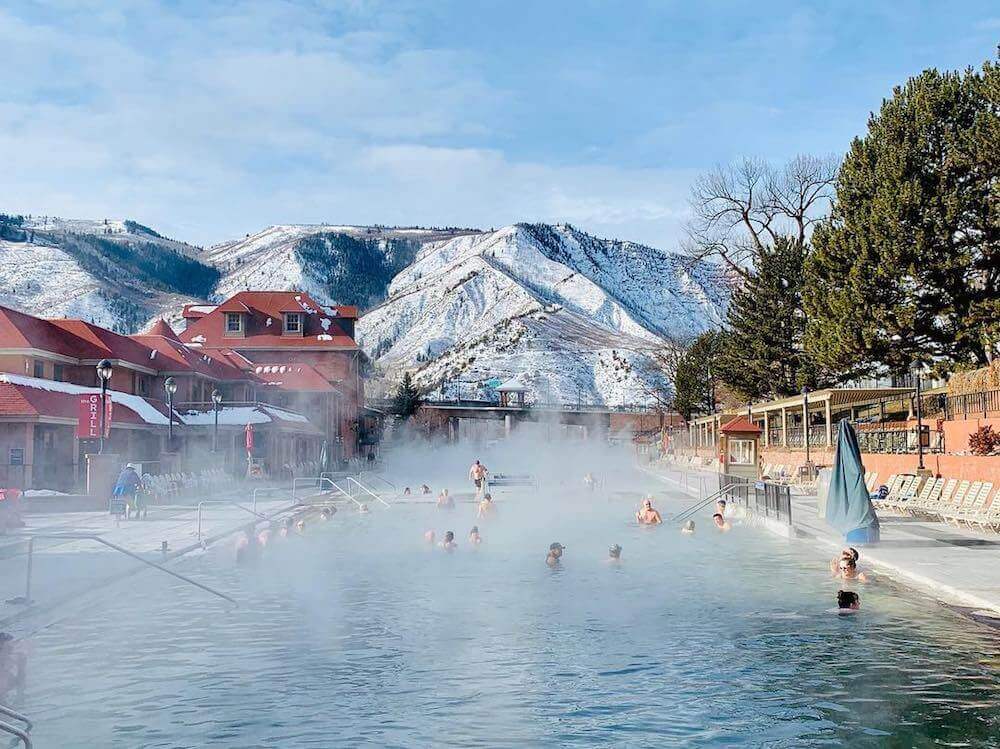
Glenwood Hot Springs Resort is an especially practical choice for travelers who want a Colorado hot springs vacation without committing to an isolated mountain lodge. The resort includes its famous large geothermal pool complex, a 107-room Lodge, the smaller Hotel 1888, restaurants, and other facilities in downtown Glenwood Springs.
The pools generally operate year-round, although scheduled maintenance closures occur. For example, the resort currently lists a pool closure for November 17, 2026, showing why travelers should always check the operating calendar before purchasing nonrefundable transportation.
Transportation is where Glenwood stands out. Denver International Airport is roughly a three-hour drive under normal conditions, while Eagle County Regional Airport is much closer. Travelers who do not want to drive snowy Interstate 70 can also take Amtrak’s California Zephyr directly to Glenwood Springs. The train station is across the river from the resort and connected by a pedestrian bridge.
Current day-pass prices generally range from about $42 to $60 for adults and teens, depending on peak demand. Lodge room rates include access to the hot springs during operating hours as well as breakfast, so compare a hotel package with the combined cost of staying elsewhere and purchasing separate pool admission.
Winter planning tip: Interstate 70 can experience snow, accidents, and temporary closures. Check road conditions immediately before driving instead of relying only on the forecast from the day you booked.
Why it ranks #2: Glenwood delivers a strong hot springs experience while remaining unusually accessible by car, bus, train, or several regional airports. That transportation flexibility gives it an advantage for travelers worried about winter driving.
#3 Ojo Caliente Mineral Springs Resort & Spa
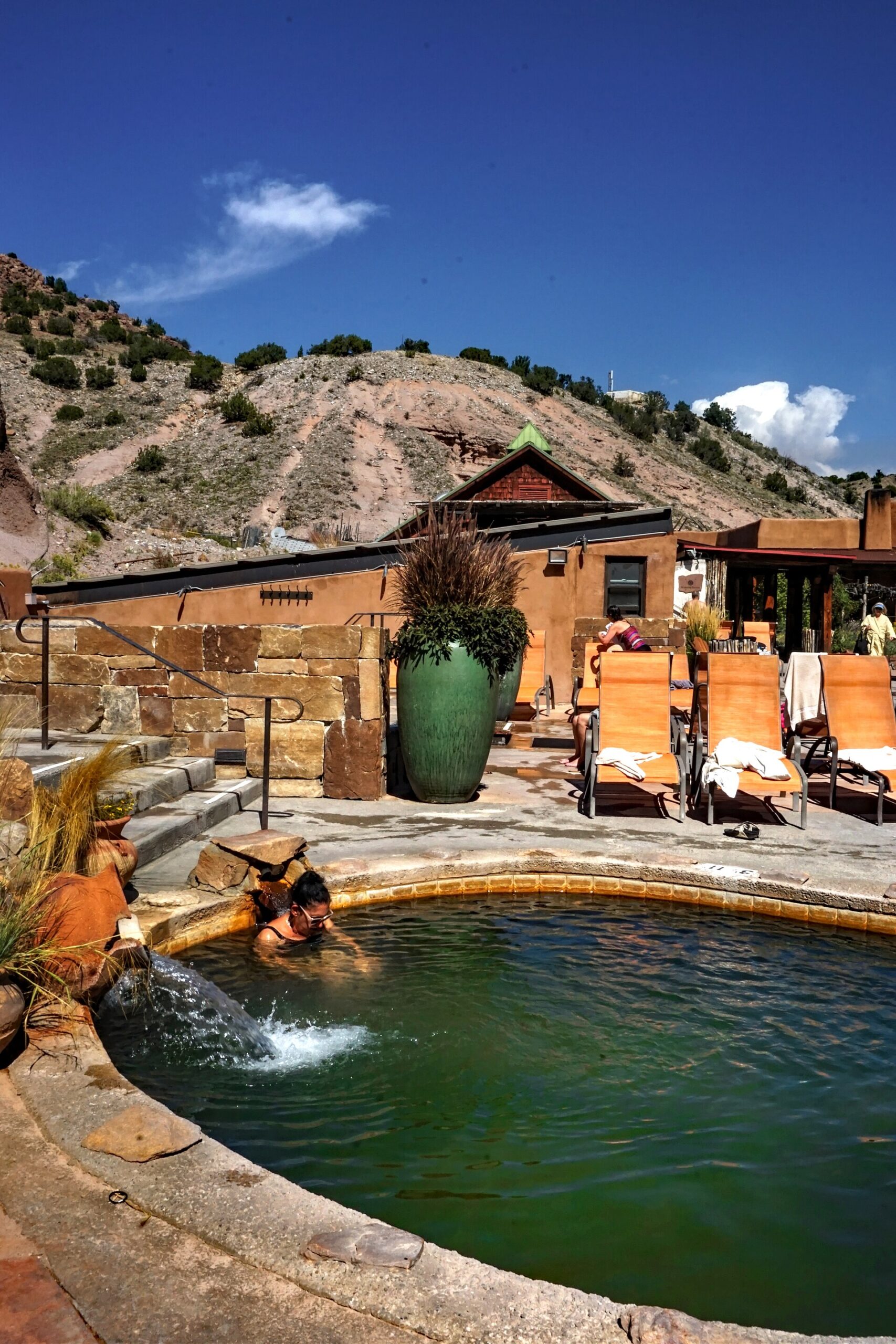
Ojo Caliente in northern New Mexico is a better fit for travelers who want quiet soaking and spa time rather than a busy family resort. Established in the 19th century, the destination is built around naturally heated geothermal waters containing several different minerals.
Overnight lodging includes access to the public mineral pools from 7:30 a.m. to 10 p.m. on arrival and departure days as well as during the stay. Some higher-category accommodations include private soaking features, while private pools can also be reserved separately.
The biggest restriction for families is age. The public soaking and pool areas are for guests age 13 and older. Children younger than 13 can stay and dine at the resort but cannot enter the soaking, pool, or spa areas. Guests under 18 must be accompanied by an adult.
Getting there: Ojo Caliente is approximately 50 minutes from Taos and about an hour northwest of Santa Fe. The resort recommends renting a car for guests flying into Albuquerque, Santa Fe, or Taos, particularly if they plan to explore beyond the property.
New Mexico winters can bring snow and freezing temperatures, especially at higher elevations. Travelers should check road conditions rather than assuming the Southwest will always have mild winter weather.
Why it ranks #3: Ojo Caliente offers an excellent balance of distinctive mineral soaking, peaceful accommodations, and reasonable proximity to Santa Fe and Taos. It ranks below the two Colorado choices mainly because families with young children cannot use the soaking areas and most visitors still need a car.
#4 Dunton Hot Springs
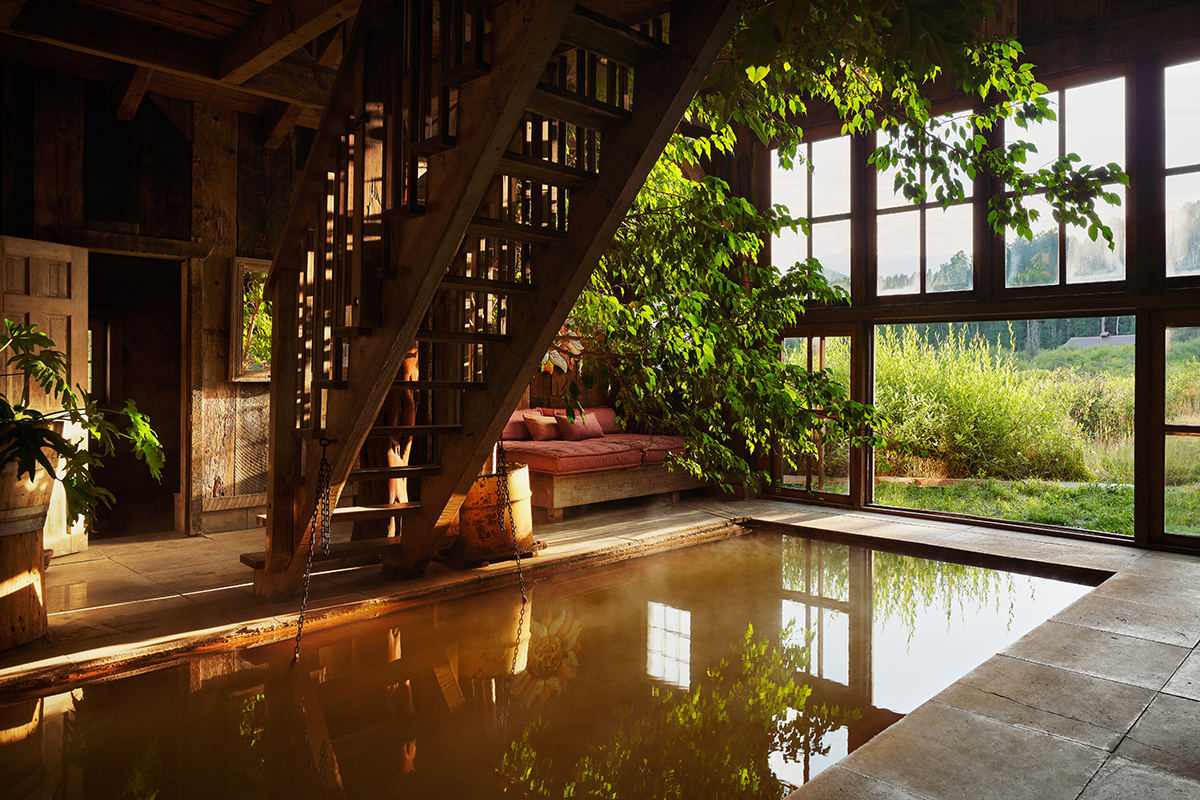
Dunton Hot Springs offers one of the most unusual luxury hot springs experiences in the United States. The property occupies a restored Colorado mining settlement where historic cabins surround natural hot springs, a bathhouse, dining facilities, and mountain scenery.
The resort operates year-round, and winter is one of its most atmospheric seasons. Guests can soak while snow covers the surrounding landscape. Some cabins have their own soaking facilities; the Well House, for example, includes a private hot spring and cold plunge.
Dunton is expensive compared with conventional hotels, but the pricing model is different. Cabin rates include meals and most beverages, so travelers evaluating value should compare the total trip cost rather than looking at the nightly rate alone.
Its remote location is both the attraction and the drawback. Cortez Airport is roughly an hour away, while Durango is approximately two hours by road. Winter travel from Telluride takes around 1.5 hours, and the resort estimates roughly three hours from Montrose during winter. Private airport transfers can be arranged for an additional charge.
Winter planning tip: Build extra time around flights. Mountain weather can slow road transfers, and a tightly timed connection is a poor match for a remote winter destination.
Why it ranks #4: Dunton may be the most memorable resort on this list, but high prices and more complicated transportation make it less practical for the average traveler. For a special anniversary or luxury retreat, however, it could easily be the first choice.
#5 Chena Hot Springs Resort
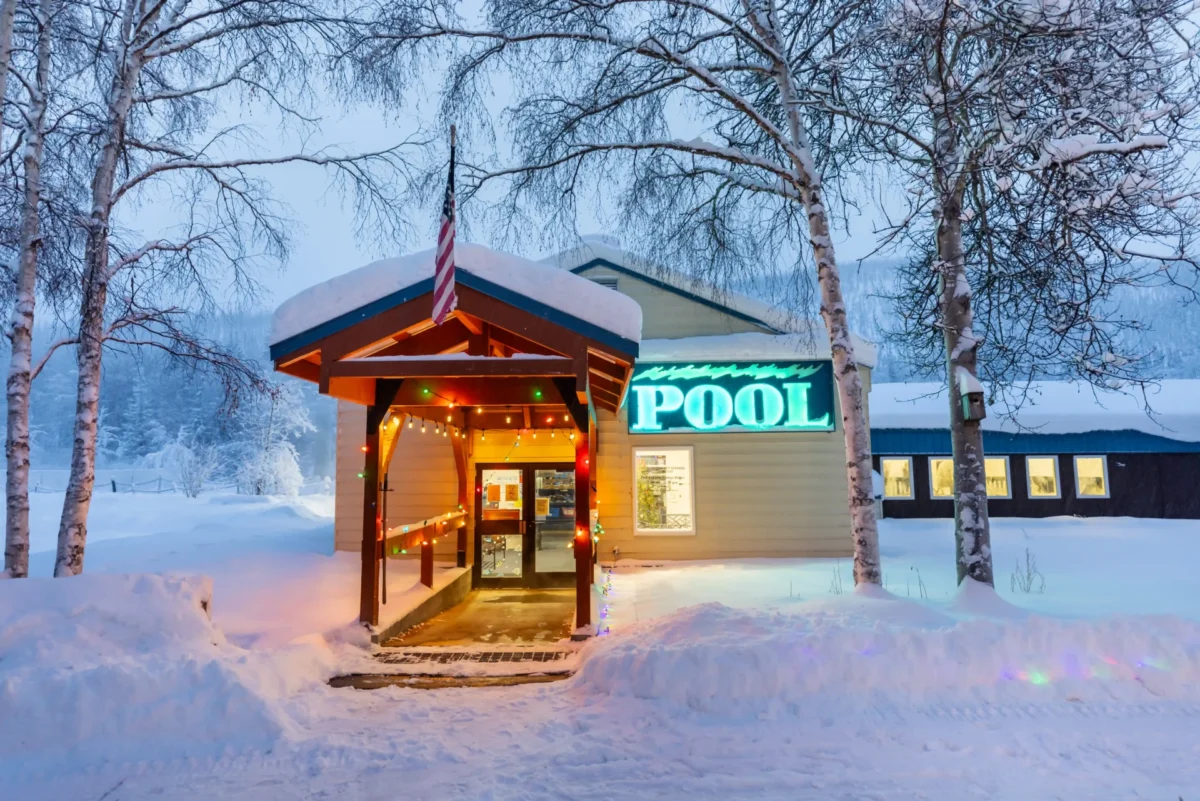
Chena Hot Springs Resort near Fairbanks, Alaska, offers something the other destinations cannot easily match: the possibility of soaking in geothermal water during a trip centered on viewing the aurora borealis.
The natural outdoor hot springs lake operates year-round and is restricted to guests age 18 and older. Younger visitors can use the indoor pool and designated hot tubs instead. The resort also warns that no lifeguards are present, making supervision especially important for families.
Chena is approximately 60 miles from Fairbanks. Travelers can drive or reserve the resort shuttle. Current resort information lists the trip at roughly 1.5 to two hours depending on weather, with shuttle reservations required at least 72 hours in advance. The published fare is currently $90 each way per person.
Winter conditions here deserve serious attention. Temperatures can become extremely cold, daylight is limited, and road conditions may change quickly. Pack for Alaska rather than simply for walking between a hotel room and a warm pool. Travelers who are uncomfortable driving in severe winter conditions may find the resort shuttle worth the extra cost.
Why it ranks #5: Chena provides the most adventurous winter setting in this ranking, but it also requires the most preparation. Travelers willing to accept higher transportation costs and extreme cold get a hot springs trip that can also include one of America’s premier northern-lights destinations.
How to Choose the Right Winter Hot Springs Resort
Choose The Springs Resort if soaking variety is your main priority. Pick Glenwood Hot Springs if transportation and easy access matter most. Ojo Caliente suits couples and adults seeking a quieter wellness trip, while Dunton is best for travelers willing to spend more for an intimate luxury experience. Chena is the standout choice when the hot springs are part of a larger Alaska winter adventure.
Before booking any of them, check four things on the resort’s official website: pool maintenance dates, current admission rules, total lodging cost, and weather-related operating notices. Then check road conditions again shortly before departure. Winter weather can affect even resorts that officially operate 365 days a year.
Frequently Asked Questions
Do hot springs resorts stay open during snow?
Many do, and snowy conditions are part of their winter appeal. However, individual outdoor pools, roads, slides, or other facilities may temporarily close because of ice, wind, maintenance, or dangerous weather.
Should I reserve a winter hot springs trip early?
Yes for overnight stays, particularly around Christmas, New Year’s, Presidents Day weekend, ski holidays, and other high-demand dates. Day-pass rules vary by resort. Some accept walk-ins, while accommodations and private pools may require advance reservations.
Is a rental car necessary?
Usually, but not always. Glenwood Springs is unusually convenient because Amtrak serves the town. Chena has a resort shuttle from Fairbanks. Ojo Caliente and Pagosa Springs are easier with a rental car, while Dunton offers private transfers for travelers who prefer not to drive.
Conclusion
A great winter hot springs vacation is about more than finding the warmest pool. Transportation, lodging, access rules, weather, maintenance closures, and nearby activities can determine whether the trip feels relaxing or stressful.
For the strongest combination of soaking options and winter vacation appeal, The Springs Resort in Pagosa Springs takes the top spot. Glenwood is the easiest choice for travelers prioritizing accessibility, while Ojo Caliente offers a calmer spa atmosphere. Dunton provides a luxury splurge, and Chena turns a hot springs trip into a true Alaska winter adventure.
Whichever destination you choose, verify current policies shortly before traveling. A few minutes checking pool schedules, road reports, shuttle reservations, and weather conditions can prevent expensive surprises and leave more time for what you actually came for: a warm soak on a cold winter day.
References
- The Springs Resort — Hot Springs and Day Pass Information — Supports current pool access, year-round soaking, guest access, hours, and admission information.
- Glenwood Hot Springs Resort — Getting Here — Supports airport drive estimates, Amtrak access, bus transportation, and winter road-planning information.
- Ojo Caliente Mineral Springs Resort & Spa — Getting Here — Supports driving distances, rental-car recommendations, and age restrictions.
- Dunton Hot Springs — Location and Transportation — Supports regional airport options, winter travel times, and private transfer availability.
- Chena Hot Springs Resort — Transportation to Chena — Supports the Fairbanks distance, shuttle schedule requirements, travel time, weather considerations, and current transportation pricing.