
Winter can completely change the character of a national park. Summer crowds thin out, familiar landscapes turn white, wildlife becomes easier to spot in some regions, and cooler temperatures make normally hot destinations much more comfortable. But winter travel also creates extra planning challenges. Roads may close, shuttles may stop running, campgrounds and lodges can reduce service, and a storm can change a trip overnight.
For this ranking, the best winter national parks are not simply the snowiest or most dramatic. They combine memorable scenery and seasonal activities with realistic trip logistics for ordinary travelers. Access, lodging, transportation, weather risk, winter services, and the amount of advance planning required all factor into the order below.
| Rank | National Park | Best For | Main Winter Planning Issue |
|---|---|---|---|
| 1 | Everglades | Wildlife and warm-weather escapes | Popular dry-season demand |
| 2 | Bryce Canyon | Snow-covered red-rock scenery | Snow and temporary road closures |
| 3 | Yosemite | Classic scenery and winter sports | Chain controls and high-country closures |
| 4 | Yellowstone | Wildlife and true winter adventure | Most roads closed to regular cars |
| 5 | Zion | Cool-weather hiking | Limited winter shuttle service |
#1 Everglades National Park
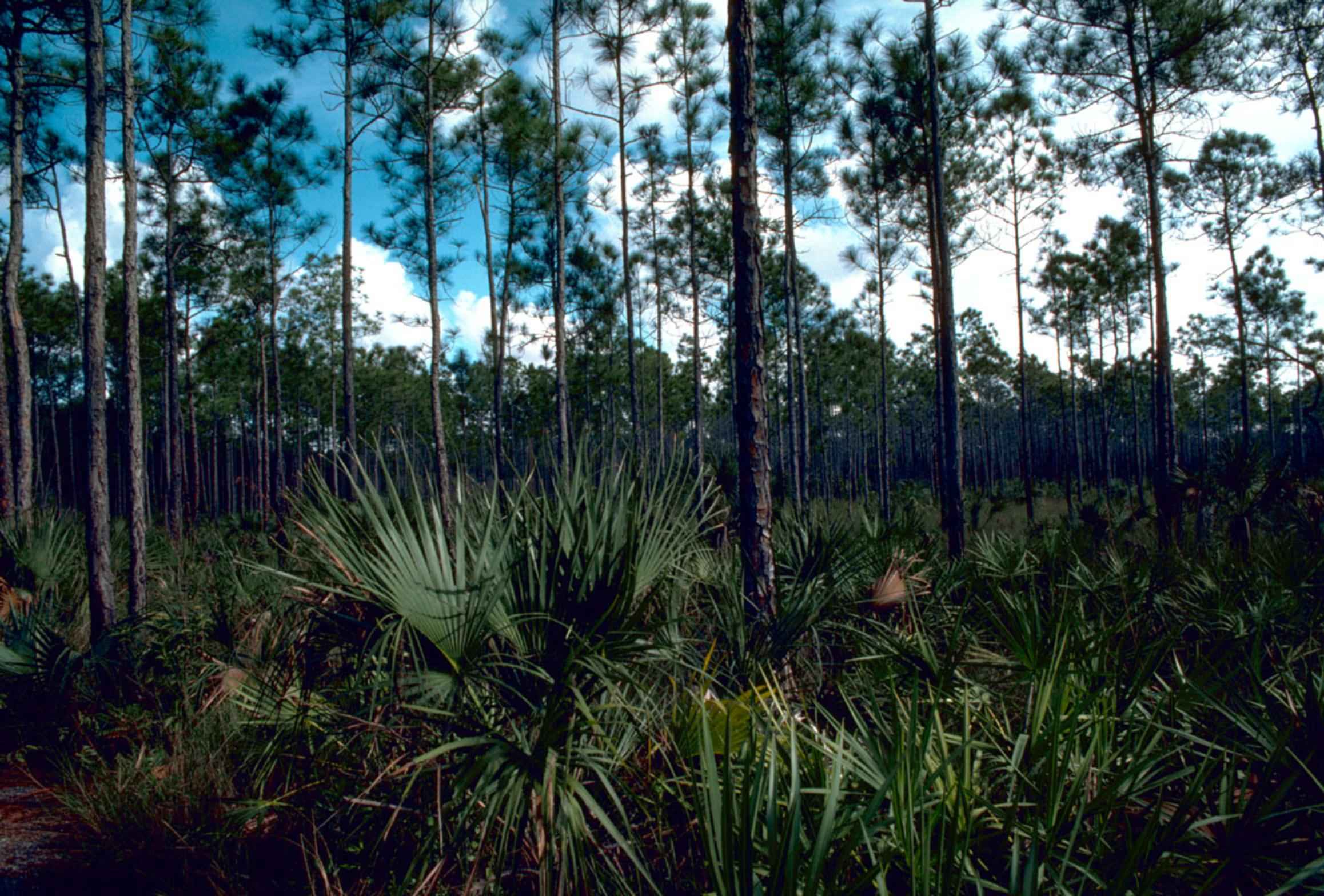
Everglades National Park ranks first because winter is not merely an alternative season here. For many travelers, it is the most practical time to visit. South Florida’s November-through-March dry season generally brings lower humidity, fewer mosquitoes, cooler temperatures, and excellent wildlife-viewing conditions.
The park remains open year-round, and winter brings extensive ranger programming. Instead of worrying about snow chains or mountain passes, visitors can concentrate on wildlife walks, paddling, cycling, boat tours, and drives through the park’s different districts.
The catch is demand. Pleasant weather draws more winter visitors, so nearby lodging and popular tours can fill faster than travelers expect. This matters especially around holidays, long weekends, and the peak January-through-March period.
Another important detail is geography. The park’s major entrances do not connect internally by road. Shark Valley, the Homestead entrance, and the Gulf Coast area should be treated almost like separate destinations when building an itinerary. Trying to visit all of them casually in one day can create unnecessary driving.
Best planning strategy: Choose one or two sections of the park before booking lodging. Homestead or Florida City works well for the eastern side, while Everglades City makes more sense for Gulf Coast outings. If wildlife is your priority, start early in the day and check current park alerts before departure.
Campers also get more winter options. Long Pine Key Campground operates seasonally during the cooler months, while concession lodging, tours, and marina services are available around Flamingo. Exact availability can change, so reservations should be checked well before a peak-season trip.
#2 Bryce Canyon National Park
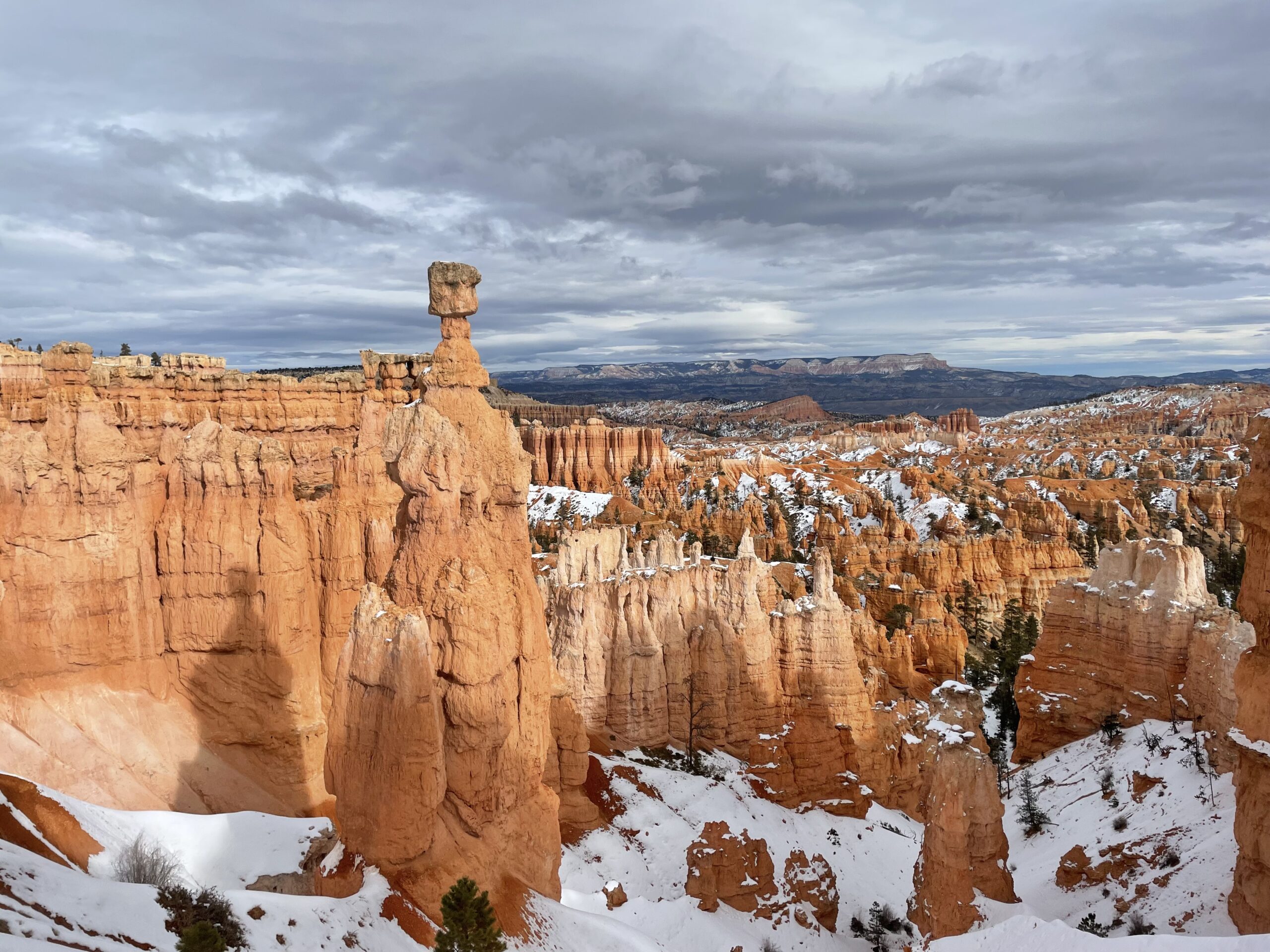
Bryce Canyon earns the second spot because few American landscapes look as striking after snowfall. White snow settling on orange and red hoodoos creates a winter scene that is dramatically different from the park’s summer appearance.
It is also relatively manageable for travelers who want a genuine snowy national park experience without the highly specialized transportation required in Yellowstone. Bryce Canyon remains open throughout the year, and the visitor center operates on reduced winter hours.
Road access is generally good, but storms can change the situation quickly. After significant snowfall, the park can temporarily close the main road beyond mile 3 while plow crews work. The Bryce Amphitheater area, including major viewpoints such as Sunrise, Sunset, Inspiration, and Bryce Points, receives priority for plowing.
That means travelers should avoid building an itinerary around reaching every viewpoint. A storm may limit access to the southern scenic drive for a day or longer even though the park itself remains open.
Winter activities include hiking, cross-country skiing, and snowshoeing. The park warns that popular trails can become extremely icy, so traction devices for hiking footwear are often a practical necessity rather than an optional extra.
North Campground remains open year-round, weather permitting, although only part of the campground typically stays available during the coldest period. Sunset Campground closes for winter. The main Bryce Canyon Lodge and dining room also have seasonal limitations, so travelers who want conventional hotel services may find more choices in nearby gateway communities.
Best planning strategy: Book lodging that allows a flexible cancellation or change policy, bring traction devices, and check road conditions the evening before and again on the morning of your visit. There is no advance reservation requirement simply to enter Bryce Canyon.
#3 Yosemite National Park
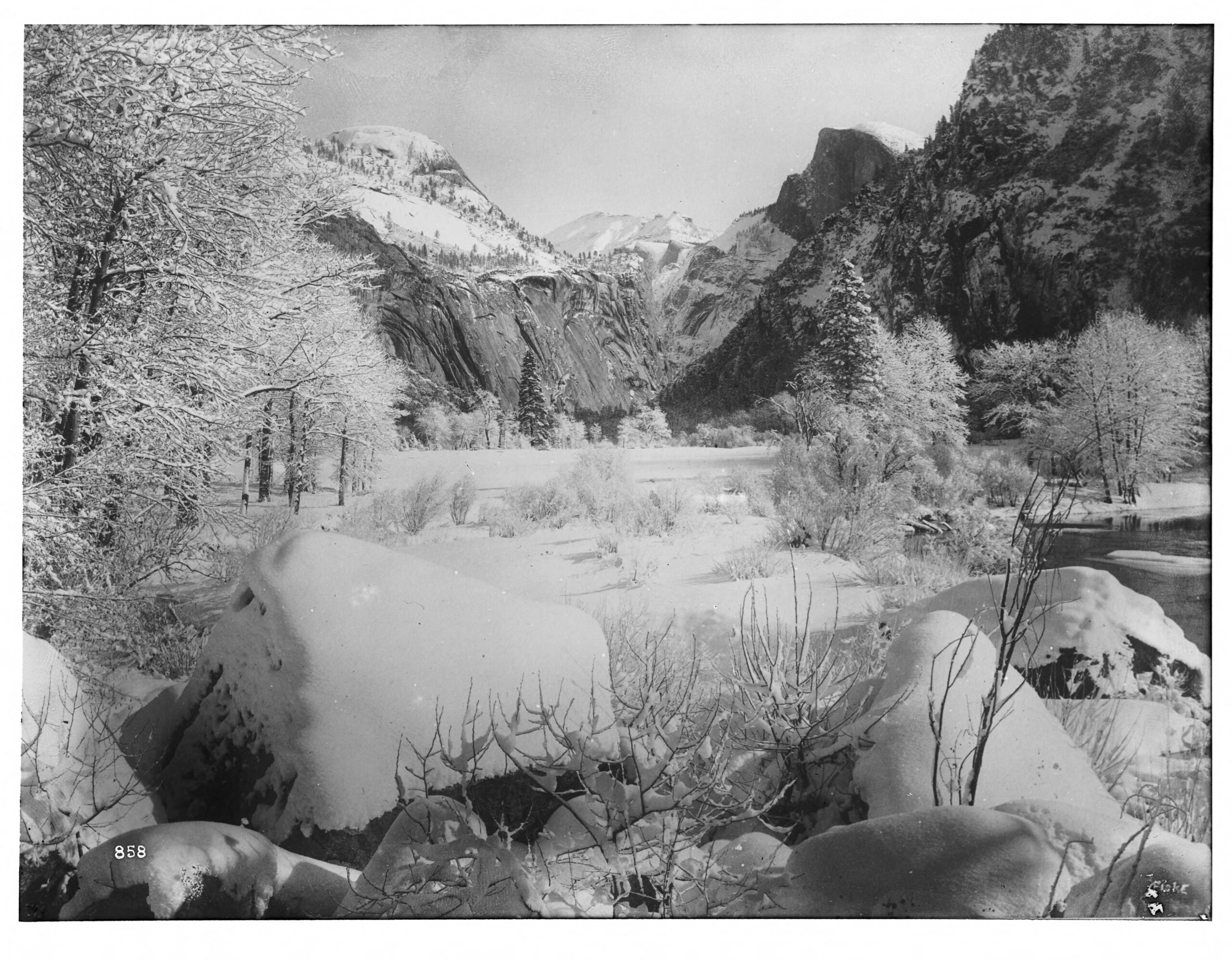
Yosemite ranks third because winter delivers extraordinary scenery while still leaving important areas accessible. Yosemite Valley and Wawona can generally be reached by car year-round, giving travelers access to famous granite cliffs, waterfalls, forests, and snow-covered viewpoints without needing a specialized snowcoach.
The tradeoff is transportation complexity. Tioga Road normally closes sometime in November and stays closed until late spring or early summer. That eliminates the normal east-west crossing through Yosemite and blocks regular vehicle access to Tuolumne Meadows. Glacier Point Road also closes seasonally beyond the Badger Pass area.
These closures matter well beyond the park boundary. A traveler who assumes Yosemite is a convenient stop between destinations east and west of the Sierra Nevada can face a major detour once Tioga Road closes.
Winter drivers must also take chain requirements seriously. Yosemite says chains can be required on park and surrounding roads from November through March, and vehicles may need to carry approved traction devices even if they have four-wheel drive. Conditions can change rapidly during storms.
Visitors who prefer not to drive in chain-control conditions can consider regional bus service into Yosemite Valley. Within the valley, the free shuttle helps reduce the amount of winter driving required.
The recreational payoff can be substantial. Badger Pass typically supports downhill skiing, cross-country skiing, and other snow activities in season. Lower-elevation walks in Yosemite Valley remain possible when conditions allow, while snow transforms many familiar viewpoints.
Several campgrounds remain open in winter, including Upper Pines, Camp 4, Hodgdon Meadow, and Wawona, although services and reservation rules should be checked for exact dates.
Best planning strategy: Enter from the west rather than planning a Sierra crossing, know how to install your tire chains before leaving home, and check both park roads and California highway conditions immediately before driving.
#4 Yellowstone National Park
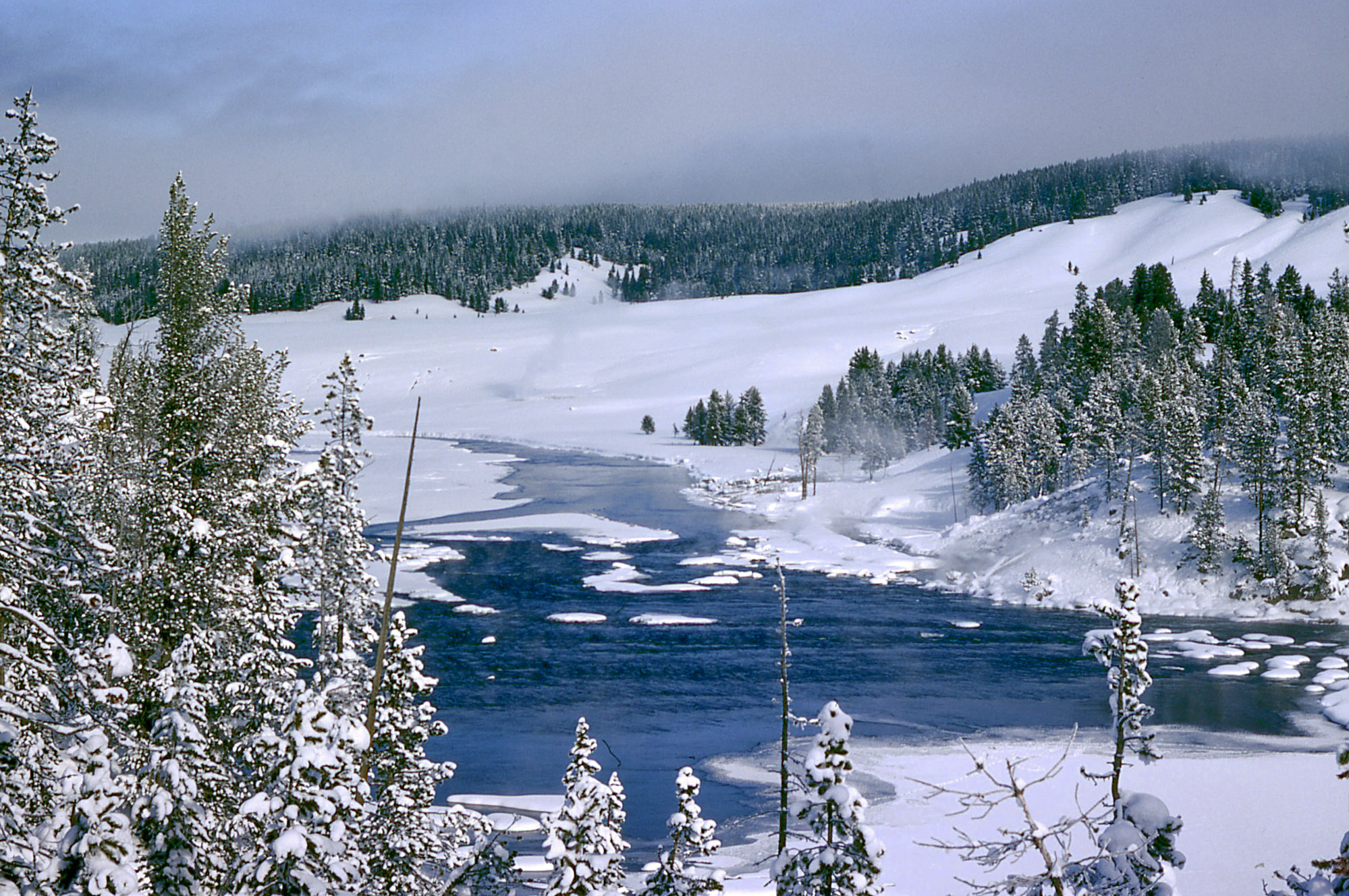
Yellowstone may deliver the most dramatic winter experience on this list, but it ranks fourth because reaching its most famous attractions requires much more planning.
Once winter operations begin, most park roads close to ordinary automobiles. The road between the North Entrance and Northeast Entrance remains open to regular vehicles year-round, weather permitting, but destinations such as Old Faithful and the Grand Canyon of the Yellowstone generally require authorized oversnow transportation.
For the 2026-27 season, Yellowstone lists most oversnow routes as opening around December 15, with different routes closing between early and mid-March. Those dates remain subject to snow and weather conditions.
Visitors commonly reach the interior through guided snowcoach or snowmobile trips. These experiences can be unforgettable: steaming geysers rise through frigid air, bison move across snow-covered valleys, and geothermal areas take on an almost otherworldly appearance. But tours cost additional money and should be booked in advance.
Winter wildlife viewing is another major reason to go. Bison, elk, coyotes, and other animals remain active, and snowy backgrounds can make wildlife easier to see. Travelers must still maintain required wildlife distances and should never stop vehicles in active roadways.
Conditions are genuinely severe. Snow-covered boardwalks can be slippery, temperatures may fall far below freezing, and driving on the park’s open northern road requires winter-driving confidence.
Best planning strategy: Decide first whether you want a North Entrance road trip or a deeper park experience. For Old Faithful and interior attractions, book the snowcoach, snowmobile tour, and lodging as one connected itinerary rather than assuming you can drive between sites.
#5 Zion National Park
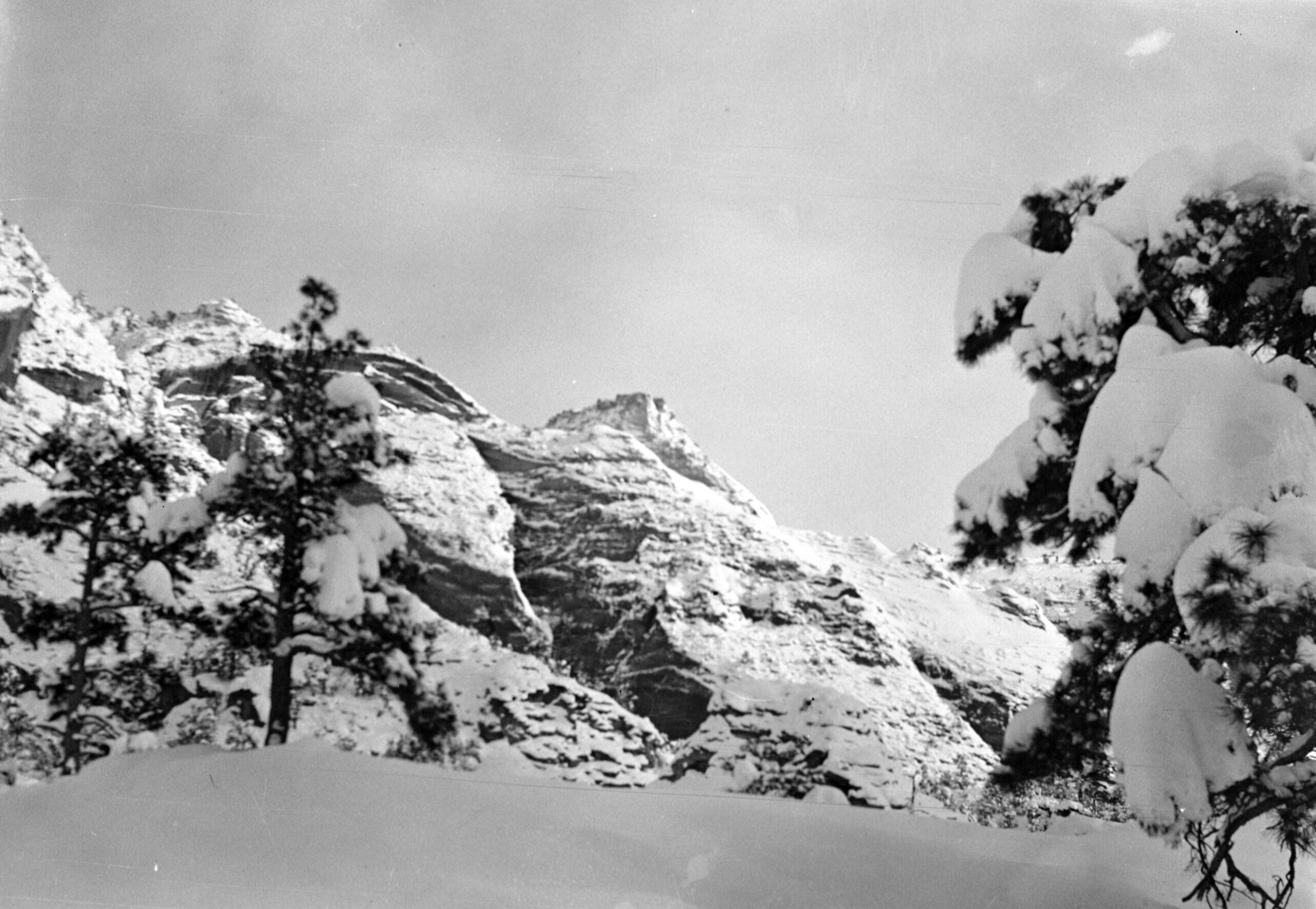
Zion rounds out the top five because its lower elevations and southern Utah location offer a different kind of winter trip. Snow is possible, particularly at higher elevations, but many winter days in Zion Canyon are better suited to hiking than the intense summer heat.
Another advantage is lighter seasonal congestion. Winter can feel far calmer than peak spring, summer, and fall periods. Trails, viewpoints, and the gateway town of Springdale may be easier to enjoy without the busiest-season crowds.
Transportation works differently, however. Zion’s shuttle normally reduces or suspends regular service for parts of winter. For example, the National Park Service’s 2026 schedule showed no Zion Canyon shuttle service from January 4 through March 6, with service restarting March 7. A short holiday shuttle period was scheduled again in late December.
When the shuttle is not operating, private vehicles may generally be allowed farther into Zion Canyon, subject to road conditions and parking availability. That can make winter travel more flexible, but it also means visitors need to understand the current transportation rules before arriving.
Winter hiking also requires judgment. Ice can develop on shaded trail sections, storms may bring snow to higher terrain, and daylight is shorter. Certain famous hikes may require permits or have route-specific safety considerations, so travelers should not assume every summer plan transfers directly to January or February.
Springdale offers a large concentration of lodging just outside the park, making Zion relatively easy to visit without camping. Winter prices can sometimes be more favorable than peak-season rates, although holiday weekends may still be busy.
Best planning strategy: Check the current shuttle schedule before choosing a hotel or building a daily route. Pack traction for icy trails, leave extra daylight for hikes, and keep at least one lower-elevation backup activity in case weather changes your plans.
How to Choose the Right Winter National Park
The best choice depends on how much winter complexity you actually want. For a warm escape with strong wildlife viewing, Everglades is the easiest recommendation. Bryce Canyon is ideal if you want classic snowy scenery without giving up straightforward road access. Yosemite provides a mix of iconic landscapes and snow recreation but demands careful driving preparation.
Yellowstone is the choice for travelers willing to organize transportation around winter-only access. Zion works especially well for hikers who prefer cooler temperatures and reduced crowds rather than deep snow.
Whichever park you choose, build flexibility into the trip. Winter storms can close roads, delay flights, cancel tours, or shorten operating hours. Refundable lodging and a spare day can be more valuable than packing every hour with activities.
Winter National Park Planning Checklist
- Check the park’s official alerts and road-condition page 24 to 48 hours before departure and again on travel day.
- Confirm whether your planned entrance and internal roads are actually open.
- Verify shuttle, snowcoach, or other transportation schedules for your exact dates.
- Reserve limited winter lodging and guided transportation early when required.
- Check campground operating dates instead of assuming year-round park access means year-round camping.
- Carry traction devices for shoes where ice is likely and vehicle chains where regulations may require them.
- Download maps before entering areas with weak cellular service.
- Build backup activities into the itinerary in case storms make a trail or road temporarily unavailable.
Frequently Asked Questions
Do national parks require reservations in winter?
It depends on the park and activity. Some parks do not require an entrance reservation, but lodging, campgrounds, guided tours, snowcoach trips, or specific hikes may require separate bookings or permits. Always check the official park page for your exact dates.
Are national parks cheaper in winter?
Sometimes, especially for lodging near destinations with lower winter demand. But specialized transportation can offset those savings. Yellowstone snowcoach tours, for example, add costs that summer visitors driving their own cars may not face.
Which park is easiest for first-time winter travelers?
Everglades is the easiest choice if you want to avoid snow-driving concerns. Bryce Canyon is one of the more approachable options for travelers specifically seeking snow, provided they monitor storm conditions and carry proper footwear traction.
How far ahead should I book?
For major holiday periods and limited-service destinations, booking several months ahead can make sense. Yellowstone winter transportation and scarce in-park lodging deserve particularly early attention. Trips with abundant gateway lodging may allow more flexibility.
Conclusion
A great winter national park trip depends less on chasing the deepest snow than on choosing a destination whose winter conditions match your travel style. Everglades offers comfortable weather and wildlife. Bryce Canyon turns red-rock country into a snowy showpiece. Yosemite balances accessibility with serious mountain conditions. Yellowstone provides a true expedition-style winter experience, while Zion gives hikers a quieter season in one of the country’s most dramatic canyon landscapes.
Before leaving, treat official park alerts as part of the itinerary. A road that normally opens all winter can still close after a storm, a shuttle schedule may change, and seasonal lodging or visitor services can be limited. Travelers who plan around those realities are far more likely to remember the snow, wildlife, and scenery rather than the logistical surprise that disrupted the trip.
References
National Park Service — Everglades Dry Season — Supports information about winter weather, wildlife viewing, lower humidity, and the park’s November-through-April dry season.
National Park Service — Visiting Bryce Canyon in Winter — Supports details on winter road closures, snow conditions, icy trails, and access to the Bryce Amphitheater area.
National Park Service — Yosemite Winter FAQ — Supports Yosemite winter-access information, Tioga Road closure patterns, campground availability, and tire-chain considerations.
National Park Service — Visiting Yellowstone in Winter — Supports information about winter road restrictions, oversnow transportation, icy conditions, and seasonal access.
National Park Service — Zion 2026 Shuttle Schedule — Supports winter and early-spring Zion Canyon shuttle operating dates and seasonal transportation planning.