
Search interest in “Columbia” has jumped sharply, but travelers should know what is actually behind the attention. In the current news cycle, much of the interest relates to Columbia University in New York City, where Palestinian students and staff have filed a discrimination lawsuit against the university.
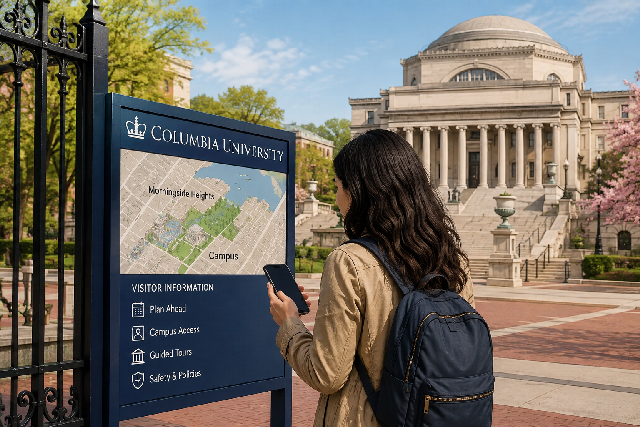
That story is primarily a legal and campus issue, not a traditional travel story. Still, it can matter to people planning a visit to Columbia University, touring colleges in New York, attending an event, visiting a student, or staying in the Morningside Heights area. Campus access at Columbia is not the same as walking into an unrestricted tourist attraction, and visitors should check current entry rules before building a day around the university.
Here is what has changed, what the latest Columbia news does and does not mean for travelers, and how to plan a visit without unnecessary surprises.
Why Columbia Is in the News
On August 12, 2026, Reuters reported that current and former Palestinian students and staff had sued Columbia University. The plaintiffs allege discriminatory treatment of Palestinian members of the university community since late 2023. The lawsuit includes allegations involving harassment and disciplinary treatment.
These are allegations being contested through the legal process. Travelers should not treat the filing itself as proof of the claims or assume that it means the university has shut down, canceled ordinary operations, or become generally unsafe to visit.
The practical takeaway is much narrower: Columbia remains a campus where political, legal, and security developments can affect access procedures. Anyone going there should verify the university’s current visitor rules rather than assuming that the gates and buildings are freely accessible.
Which Columbia Are We Talking About?
The keyword “Columbia” can refer to many places and organizations. It can mean Colombia, the South American country, despite the different spelling. It can also refer to Columbia, South Carolina; Columbia, Missouri; the Columbia River; Columbia Sportswear; or Columbia University.
In the present news context, the major stories driving attention are about Columbia University in New York City.
Its main Morningside Heights campus is in Manhattan around Broadway and West 116th Street. That location is several miles north of the tourist-heavy areas around Times Square, Rockefeller Center, and Midtown Manhattan.
If you are searching for travel information about Colombia the country, this particular Columbia news cycle is largely unrelated to your trip.
What Has Actually Changed for Visitors?
The lawsuit itself does not automatically change flights, hotels, New York City transportation, visas, or general tourism rules. Its immediate relevance to travelers is therefore limited.
The bigger issue is that Columbia already operates controlled access to its Morningside campus. Columbia’s current Public Safety information lists the campus at an “ID Only” access level. Access is limited to active Columbia ID holders and approved guests.
That distinction is important. A traveler who remembers strolling through the campus freely on a previous New York trip should not assume the same procedure applies today.
| Traveler | What to Consider |
|---|---|
| Prospective student | Use the university’s official admissions visit system and confirm access before arriving. |
| Parent or family member | Ask your Columbia host whether guest registration is required. |
| Tourist | Do not assume you can enter the main campus simply for sightseeing. |
| Event attendee | Check both event registration and campus entry requirements. |
| Alumni visitor | Review the university’s current alumni access process before traveling. |
Can Tourists Visit Columbia University Right Now?
Possibly, but planning matters.
Columbia’s official visitor information states that access to the Morningside Heights campus is currently limited to Columbia ID holders and registered guests. The university also provides campus visit information, tours, maps, and directions through its Visitors Center.
That means a Columbia visit should be treated more like visiting an institution with controlled access than visiting an open city park.
If seeing Columbia is an important part of your New York itinerary, verify access on the day of your visit. Campus security procedures can change more quickly than hotel reservations or museum hours, especially when demonstrations, major events, or security concerns arise.
Do Not Book a Trip Around an Assumed Campus Tour
This is particularly important for families making college visits.
Imagine that a family is traveling from Boston to New York for one night and Columbia is the main reason for the trip. They reserve a hotel, pay for train tickets, and arrive expecting to walk around campus without an appointment.
If access is restricted, much of the purpose of that trip could be lost.
A better order is:
- Confirm the official Columbia visit or tour option.
- Check the current campus access level.
- Make sure any required guest registration is complete.
- Then finalize transportation and hotel plans.
This simple sequence can prevent a costly trip built around an activity that may not be available as expected.
Will the Lawsuit Affect New York City Travel?
For most visitors, probably not.
There is no reason based on the lawsuit alone to change a normal New York City vacation. Manhattan’s airports, subway system, hotels, Broadway theaters, museums, restaurants, and major attractions operate independently of Columbia University’s internal legal dispute.
A traveler spending four days around Midtown and Lower Manhattan might notice nothing related to Columbia at all.
The situation becomes more relevant if your itinerary includes Morningside Heights or Columbia itself.
For example, it may matter if you are:
- touring Columbia as a prospective student;
- moving a student into housing;
- attending a university ceremony or academic event;
- visiting someone who lives or studies on campus;
- attending a conference, lecture, or performance at Columbia;
- staying near the university specifically because of a campus visit.
Could Demonstrations Affect a Visit?
Columbia has been a major location for political demonstrations in recent years, particularly involving the Israel-Gaza conflict. Because the current lawsuit concerns treatment of Palestinian students and staff, additional demonstrations or gatherings are possible, although travelers should not assume that any particular protest will occur.
The practical strategy is straightforward: check current university notices shortly before visiting.
On the day of your trip, leave some flexibility in your schedule. If an entrance is temporarily restricted or an event creates congestion, having another nearby activity gives you an easy alternative.
Morningside Heights is part of Manhattan, so a changed campus plan does not have to ruin the day.
Where Is Columbia University?
Columbia’s Morningside campus is centered around Broadway and West 116th Street in Upper Manhattan.
For tourists, one useful planning mistake to avoid is assuming that Columbia is close to Midtown simply because both locations are in Manhattan. Manhattan is long, and travel time matters.
The subway is generally the simplest option for most visitors. The 1 train serves the 116th Street–Columbia University station, placing travelers close to the Morningside campus.
If you are coming from a Midtown hotel, allow extra time rather than scheduling a campus appointment immediately after another attraction. Subway delays, walking, security checks, and campus entry procedures can all add time.
Should You Stay Near Columbia?
Staying near Columbia can make sense when the university is the main purpose of your trip. It reduces commuting and makes it easier to attend morning tours, student events, appointments, or move-in activities.
For a general New York vacation, however, a Morningside Heights hotel is not automatically the most convenient choice.
| Your Main Trip Purpose | Location Strategy |
|---|---|
| Columbia visit | Consider Morningside Heights or the Upper West Side. |
| Broadway and Midtown attractions | A Midtown location may save more travel time. |
| Museums and Central Park | Upper West Side can offer a useful compromise. |
| One short Columbia appointment | Stay where the rest of your itinerary is concentrated and take the subway to campus. |
Do not move your entire hotel plan north just because Columbia appears once on a multi-day itinerary. Compare the time saved on the university visit with the additional commuting required during the rest of your stay.
What Prospective Students and Parents Should Check
Families doing college tours have more at stake than casual tourists because campus access can affect the main purpose of their trip.
Start with Columbia’s official undergraduate admissions visit page rather than relying on an old travel blog or social media post. Current university guidance states that Morningside campus access is limited and visitors should register appropriately.
Also distinguish between entering the campus and entering individual buildings. Permission to visit the grounds does not necessarily mean every library, residence hall, classroom building, or academic facility is open to visitors.
If you are meeting a current student, ask that person about guest registration before arrival. Columbia Public Safety says eligible university affiliates can register approved guests under the current access procedures.
What International Visitors Should Know
The latest Columbia lawsuit does not create a new U.S. visa rule for ordinary tourists.
International travelers visiting New York should continue to follow the entry requirements that apply to their nationality and immigration status. A legal dispute involving Columbia University is separate from the general rules governing admission to the United States.
International students, researchers, or other travelers whose trip involves university immigration documentation have a different situation. They should rely on their official university and U.S. government instructions rather than drawing conclusions from news headlines.
Immigration rules are a poor area for assumptions because a traveler’s requirements can depend on citizenship, visa category, purpose of travel, and individual circumstances.
What About Safety?
A lawsuit alleging discrimination should not be converted into a blanket statement that Columbia or Morningside Heights is unsafe for travelers.
At the same time, visitors should follow the same situational awareness they would use elsewhere in a large city and pay attention to university instructions if demonstrations or access changes occur.
Columbia maintains its own Department of Public Safety and publishes campus access updates. For a planned university visit, those official updates are more useful than viral posts or secondhand reports describing conditions on a different day.
If a large demonstration is underway when you arrive, avoid crowding around entrances or assuming you can pass through a restricted area because you have a scheduled visit. Follow directions from campus personnel and use another entrance only if the university identifies it as available.
How to Plan a Columbia Visit With Less Risk
The most useful approach is to separate what you can book early from what should be checked shortly before arrival.
Flights and major New York hotel reservations can usually be made normally. If rates are attractive, consider reservations with reasonable cancellation or modification terms, especially when Columbia is the central purpose of the trip.
A few days before departure, confirm the university appointment. Then check campus visitor information again the evening before or morning of your visit.
This is more reliable than checking once several weeks earlier and assuming nothing has changed.
Three Questions to Ask Before Going
1. Can I actually enter the campus?
Check Columbia’s current access level and your specific visitor status. Do not equate a publicized event or campus location with unrestricted public entry.
2. Does the current news affect my itinerary?
If you are simply visiting New York, probably very little. If Columbia is your destination, monitor official access information more carefully.
3. Should I cancel because of the lawsuit?
The existence of the lawsuit by itself is not a practical reason for an ordinary traveler to cancel a New York trip. Make the decision based on actual access restrictions, confirmed event changes, transportation issues, official advisories, or conditions relevant to your individual visit.
FAQ
Why is “Columbia” trending?
Current prominent news reports involve Columbia University in New York, including an August 2026 lawsuit filed by current and former Palestinian students and staff alleging discriminatory treatment.
Is Columbia University closed to tourists?
Columbia currently restricts access to the Morningside campus. Official university information says access is limited to Columbia ID holders and approved or registered guests. Visitors should check the latest rules before arriving.
Can prospective students still visit Columbia?
Yes, Columbia maintains official campus-visit information for prospective students, but registration and access requirements apply. Confirm your visit through the university rather than simply showing up.
Does the lawsuit affect flights or hotels in New York?
There is no direct indication that the lawsuit itself changes normal airline, hotel, or city tourism operations. Its practical travel impact is concentrated around people who need access to Columbia University.
Should I avoid Morningside Heights?
There is no basis for avoiding the entire neighborhood simply because Columbia is involved in a lawsuit. Visitors should instead check current conditions, particularly if a demonstration or university security restriction is announced for the time of their visit.
Bottom Line
The current surge of interest in “Columbia” is being driven largely by news about Columbia University, including a newly filed discrimination lawsuit involving Palestinian students and staff. That is an important legal and campus story, but its impact on ordinary New York travelers is limited.
The main practical issue for visitors is campus access. Columbia’s Morningside campus currently operates under restricted entry rules, so tourists, prospective students, parents, alumni, and event attendees should not assume they can simply walk through the gates.
If Columbia is central to your trip, confirm your visit first, check the current access status shortly before arrival, and build some flexibility into your schedule. If Columbia is only one optional stop on a broader New York vacation, there is little reason for the latest lawsuit alone to change your overall travel plans.
References
- Reuters — Palestinian students and staff sue Columbia University alleging discrimination — Supports the current news context, the August 2026 lawsuit, and the nature of the plaintiffs’ allegations.
- Columbia University Public Safety — Morningside Campus Access Updates — Provides Columbia’s current campus access level and rules for ID holders and approved guests.
- Columbia Undergraduate Admissions — Campus Visits — Supports guidance for prospective students and families planning an official campus visit.
- Columbia University Visitors Center — Provides official visitor, tour, campus map, and access information.
- Columbia University Visitors Center — Maps and Directions — Supports the location of the Morningside Heights campus at Broadway and 116th Street in Manhattan.