
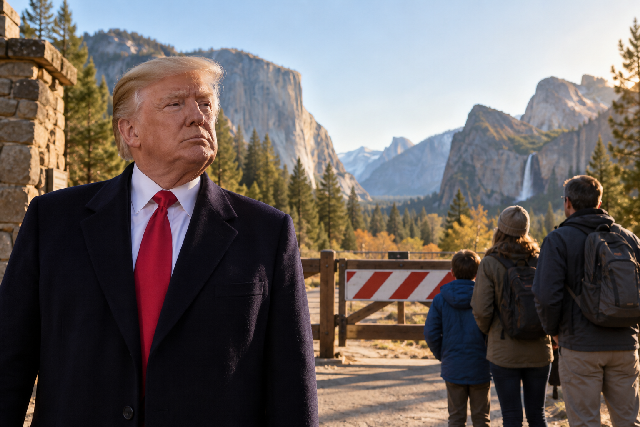
A new federal funding decision involving the National Park Service is drawing attention from travelers who already have national park vacations booked or are planning trips for later this year.
The Interior Department has disapproved more than 130 planned National Park Service partnership agreements valued at at least $25 million, according to reporting by The Washington Post. The affected projects involve parks and protected areas across the United States, including well-known destinations such as Yellowstone, Yosemite, Zion and Joshua Tree.
For travelers, however, the most important point is simple: a funding hold is not the same thing as a park closure. Travelers should not automatically cancel hotel reservations, flights, rental cars or campground bookings because of the announcement.
The practical question is whether an individual park develops a closure, reduced service, transportation change or other visitor-facing problem. Those conditions should be checked directly with the National Park Service before a trip.
What Changed With National Park Funding?
The reported action involves partnership agreements that the National Park Service planned to use for work performed with outside organizations. These arrangements can allow parks to bring in specialized workers or services without adding permanent federal employees.
According to The Washington Post, more than 130 agreements were not approved by the Interior Department. Together, they represented at least $25 million in planned work. The projects had funding sources but still required departmental approval before the agreements could move forward.
The Interior Department told the newspaper that it rejected agreements involving organizations it believed did not align with the administration’s priorities. The department also said its objective was to direct taxpayer funds toward administration priorities, including affordability, domestic energy production and expanded access to public lands.
The affected work is varied. Reported examples include wildfire preparedness and recovery, care for historic and cultural resources, wildlife programs and operational support.
That matters because the potential effects are different from park to park. A delayed conservation project at one location might have little immediate effect on a tourist. A postponed wildfire-prevention or visitor-support project could become more noticeable if conditions deteriorate.
Are Yellowstone, Yosemite, Zion and Joshua Tree Still Open?
Travelers should not interpret the funding news as an announcement that these national parks have closed.
Individual parks continue to publish their own operating conditions, road information, trail closures, fire restrictions and safety alerts. For example, the National Park Service’s current Zion information states that the park is open, although individual trails and roads can have restrictions. Yosemite’s current-conditions page likewise provides specific road information rather than indicating a park-wide closure.
This distinction is important when reading headlines about federal funding.
| News development | What it means for travelers |
|---|---|
| A planned park project loses or delays funding | Your trip may still operate normally. |
| A trail closes | You may need a different hiking plan. |
| A campground or visitor facility closes | Your overnight or daily itinerary may need to change. |
| A road closes | Driving time, entrance choice or access to attractions may change. |
| A park posts a fire or weather restriction | Activities may be limited even though the park remains open. |
In other words, travelers should react to confirmed operating conditions rather than assuming that every park mentioned in the funding dispute will experience immediate visitor disruptions.
Why Joshua Tree Is One Park Travelers May Want to Watch
Joshua Tree National Park was among the locations with multiple planned agreements affected by the decision, according to the Washington Post report.
Reported projects there included wildfire-related work, recovery of areas damaged by previous fires and maintenance involving historic buildings. The report cited internal project documents warning about potential consequences if some wildfire-preparedness work is not completed.
That does not mean visitors currently face a new closure because of the funding hold. Joshua Tree already deals with seasonal conditions that can affect travel independently of federal funding decisions.
The park’s official alerts and conditions page is therefore much more useful to someone leaving tomorrow than a national political headline. It provides information about road, trail, campground and backcountry restrictions.
Travelers should also remember that desert conditions themselves can change plans. Extreme heat and wildfire danger periodically result in seasonal closures or restrictions at Joshua Tree.
What the Funding Hold Could Affect Over Time
The immediate travel impact may be limited at many locations, but longer-term effects are harder to determine because partnership projects cover many different types of work.
Several areas deserve attention.
Wildfire preparedness
Wildfires can close roads, trails, campgrounds and sometimes large sections of parks. Projects involving vegetation management, fire preparation or recovery can therefore have an indirect connection to visitor access and safety.
Travelers visiting fire-prone areas should monitor current fire restrictions regardless of the funding situation. A funding decision alone cannot tell you whether there will be a fire during your visit.
Maintenance and restoration
Some projects involve historic structures, environmental restoration or other maintenance work. Delays may initially be invisible to visitors, especially if they concern long-term preservation rather than heavily used tourist facilities.
If maintenance issues eventually produce a closure, the park would normally communicate the affected area through its visitor information channels.
Staffing and specialized services
Partnerships can also provide people who perform specific jobs. If those workers are not hired, certain programs or operations could be reduced.
That still does not mean every affected partnership will lead to reduced visitor services. Some work may be postponed, reorganized, funded differently or handled by other staff.
Should You Change an Upcoming National Park Trip?
For most travelers, the funding report by itself is not a strong reason to change a trip.
A better approach is to look for a direct connection between the news and something your itinerary actually depends on.
Suppose you have five nights booked near Yosemite and plan to spend most of the trip driving through Yosemite Valley and hiking popular trails. Before changing anything, check the park’s official conditions page. If your roads and planned areas are open, there may be no practical reason to cancel.
Now consider a different situation. You have a campground reservation and the park later announces that the campground will close during your travel dates. That is actionable information because it directly affects your accommodation.
The same principle applies to shuttles, roads, ranger programs and permits.
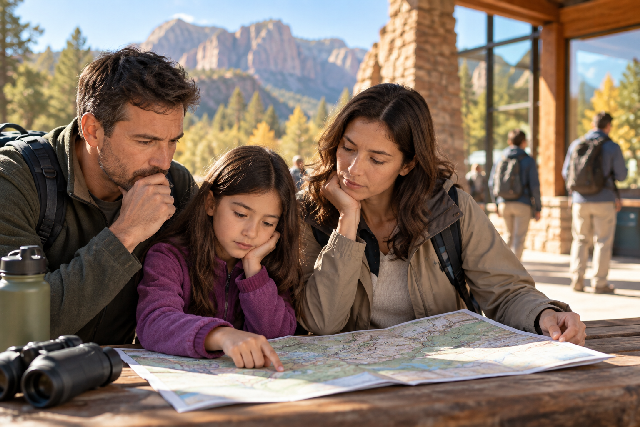
Check These Five Things Before Leaving
The National Park Service recommends checking a park’s website or the NPS app before visiting. Travelers concerned about the funding situation can make that routine slightly more thorough.
- Check active alerts. Look for closures, danger notices, fire restrictions and important visitor information.
- Check roads and transportation. A single road closure can add hours to a national park itinerary or force you to use a different entrance.
- Confirm your campground or lodging. Do not assume that a broad funding story changes an existing reservation. Look for a direct message from the campground, concessioner or booking provider.
- Verify permits, timed entry and shuttle rules. These systems can change seasonally and may matter more to your trip than the funding news itself.
- Check again shortly before arrival. Weather, wildfires, construction and emergency conditions can change faster than long-term federal funding policies.
The National Park Service also maintains a nationwide Active Alerts in Parks page where travelers can search notices by park, state or alert type.
What About Flights, Hotels and Rental Cars?
National park trips often involve reservations outside the park itself. A family visiting Yellowstone, for example, might have airfare, a rental car and several hotel nights booked before checking the latest park conditions.
Do not cancel those reservations simply because a project at the park appears on a funding list.
Instead, determine whether your actual travel experience has changed. If a specific entrance closes, you may only need to change your driving route. If a trail closes, another hiking area might work. If a campground shuts down, you may need alternative lodging while keeping the rest of the trip.
If you do need to modify plans, review cancellation policies before making changes. Flexible hotel rates and refundable rental-car reservations are easier to adjust than prepaid bookings.
Travel insurance also generally depends on the terms of the policy and the specific event affecting the trip. A news report about government funding should not be assumed to qualify automatically as a covered cancellation reason.
Safety Information Matters More Than Funding Headlines
For travelers already heading to a park, immediate safety conditions should remain the priority.
The National Park Service advises visitors to check for hazards including weather, fire, water conditions, wildlife activity and closures. Those conditions may change even when a park is fully staffed and adequately funded.
Zion, for example, can face flash-flood hazards and wildfire restrictions. Joshua Tree can experience extreme heat. Yosemite roads can be affected by seasonal or emergency conditions.
The funding story is worth monitoring, particularly if delayed projects eventually affect operations. But a current closure notice from the park should carry more weight in your trip planning than speculation about what a blocked project might eventually cause.
FAQ: Trump Administration Park Funding Hold
Are national parks closing because of the funding hold?
No broad national park closure was announced as part of the reported decision. More than 130 planned partnership agreements were disapproved, but visitors should check individual park alerts for actual closures.
Which major parks were mentioned in the reporting?
Reported affected parks include Yellowstone, Yosemite, Zion and Joshua Tree, along with a number of other National Park Service locations.
Does this mean my campground reservation is canceled?
Not automatically. A funding decision involving a project does not cancel a campground booking. Confirm your reservation and review the individual park’s current alerts.
Could the funding hold eventually affect visitors?
It could in some locations if postponed projects lead to changes in maintenance, fire preparedness, restoration work, staffing or other operations. The exact visitor impact will depend on the individual project and whether alternative funding or arrangements are made.
Where should travelers check for the latest information?
Use the official National Park Service website, the individual park’s current-conditions page and the NPS app. Check again shortly before departure because conditions can change quickly.
Bottom Line for National Park Travelers
The Trump administration park funding hold is significant news for the National Park Service, but travelers should distinguish between a blocked project and an actual disruption to a vacation.
The Interior Department’s decision reportedly affected more than 130 partnership agreements totaling at least $25 million. Some involve work connected to wildfire preparation, restoration, cultural resources, wildlife or park operations.
What travelers should not do is assume that Yellowstone, Yosemite, Zion, Joshua Tree or every other affected location has suddenly closed.
Keep existing bookings unless there is a specific reason to change them. Monitor the park you are visiting. Check roads, trails, campgrounds, shuttles, permits, fire conditions and safety alerts. If an actual visitor-facing disruption appears, adjust the affected part of your itinerary rather than automatically abandoning the entire trip.
For national park travel, the most useful information will remain the information that answers one basic question: What will actually be open when you arrive?
References
- The Washington Post — Trump administration blocks $25 million in funding for national parks — Reporting on the Interior Department’s disapproval of more than 130 National Park Service partnership agreements and examples of affected projects.
- National Park Service — Plan Your Visit — Official NPS guidance on checking park conditions, reservations, fees and safety information before traveling.
- National Park Service — Active Alerts in Parks — Nationwide source for current danger notices, closures, cautions and visitor information.
- Joshua Tree National Park — Alerts & Conditions — Official information about current road, trail, campground and backcountry conditions at Joshua Tree.
- Zion National Park — Current Conditions — Official information on park operations, roads, wildfire safety and current visitor restrictions.
- Yosemite National Park — Current Conditions — Official road and operating-condition information for Yosemite travelers.