
Late fall can be one of the best times for a mountain getaway. By late October and November, peak leaf-peeping crowds are often thinning, hotel demand may ease, and mountain towns begin shifting from autumn into winter. The tradeoff is uncertainty. Shorter daylight, early snow, icy roads, seasonal attraction closures, and reduced restaurant or lift schedules can all affect a two- or three-night trip.
For this ranking, we looked for places that still work well after the main foliage rush. The strongest choices combine dramatic scenery with practical road access, enough restaurants and lodging to keep a weekend easy, outdoor options that remain useful in shoulder season, and a town center that does not shut down when summer ends. Weather and road conditions can change quickly, so travelers should confirm closures shortly before departure rather than relying only on plans made weeks earlier.
| Rank | Mountain Town | Best Late-Fall Advantage | Main Planning Risk |
|---|---|---|---|
| 1 | Gatlinburg, Tennessee | Reliable access to Great Smoky Mountains National Park | Weekend traffic and high-elevation weather |
| 2 | Stowe, Vermont | Classic New England village atmosphere after foliage season | Early snow and seasonal mountain attractions |
| 3 | Leavenworth, Washington | Walkable town plus dramatic Cascade scenery | Mountain-pass traction and chain restrictions |
| 4 | Jackson, Wyoming | Teton scenery with noticeably quieter November conditions | National park facility and road closures |
| 5 | Telluride, Colorado | Exceptional San Juan Mountain scenery and a compact historic core | Deep shoulder-season closures between summer and ski season |
#1 Gatlinburg, Tennessee
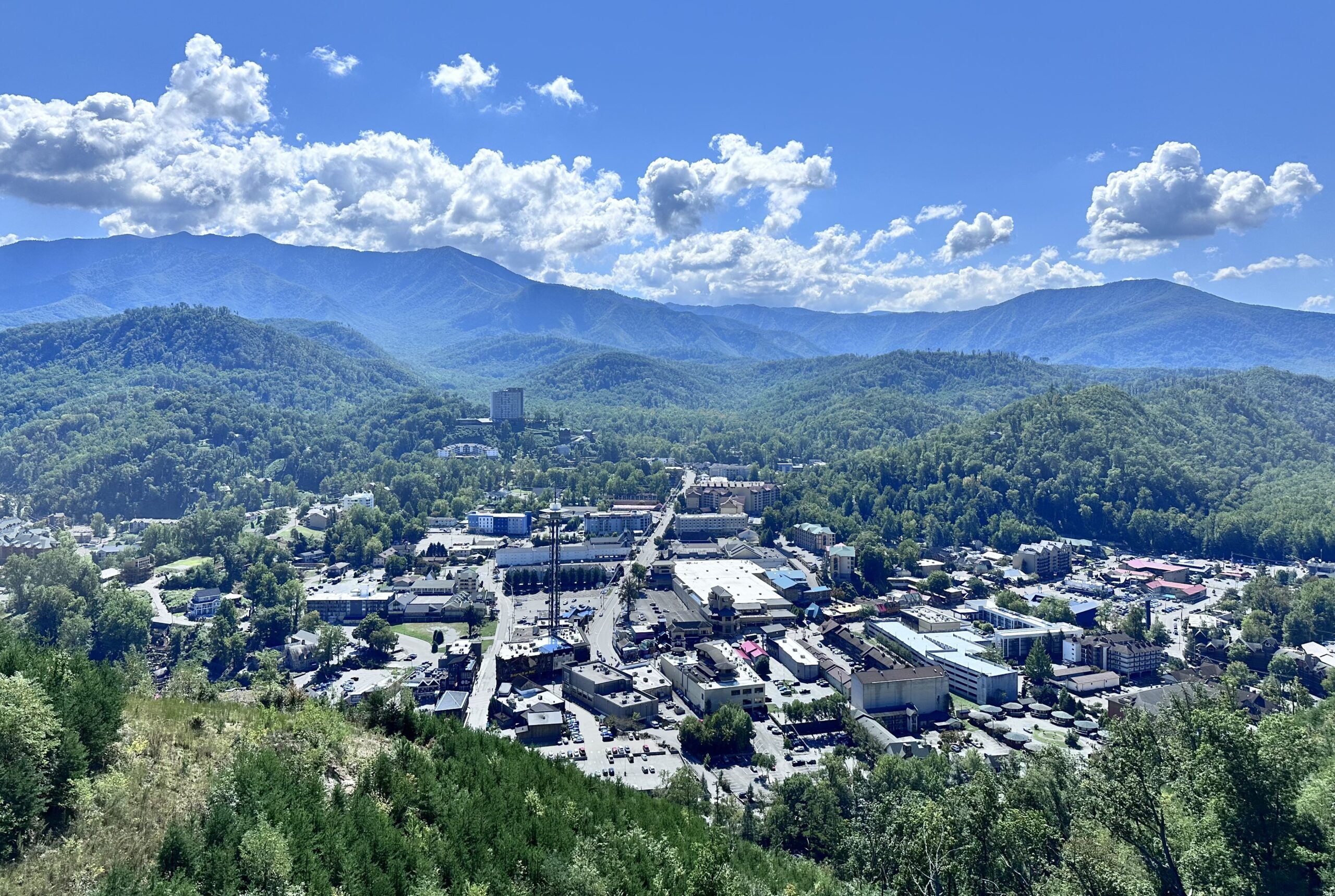
Gatlinburg earns the top spot because it offers an unusually good balance of mountain scenery and practical late-fall access. The town sits directly beside Great Smoky Mountains National Park, giving visitors a strong mix of hiking, scenic driving, restaurants, lodging, and indoor attractions without requiring a long drive from town each morning.
The biggest advantage in late October and November is that the park itself stays open year-round. Major routes including Newfound Gap Road, Little River Road, and Cades Cove Loop Road normally remain open throughout the year, weather permitting. Several secondary mountain roads stay open into late November, although snow, ice, high winds, or maintenance can cause temporary closures.
That makes Gatlinburg more flexible than many western ski towns during shoulder season. If a high-elevation road closes, visitors can often switch to lower-elevation drives, town attractions, shorter hikes, or Cades Cove instead of losing an entire day.
Fall color can also linger later here than in higher-elevation mountain regions because elevation changes spread the foliage season over several weeks. The National Park Service has warned that autumn weekends can still bring congestion and limited parking, however, so an early morning start is useful even after the traditional peak.
Best for: Travelers who want mountain scenery without betting the entire weekend on winter road conditions.
Before leaving home: Check Great Smoky Mountains National Park road alerts, especially if your plans include Kuwohi, Roaring Fork Motor Nature Trail, or higher sections of Newfound Gap Road.
#2 Stowe, Vermont
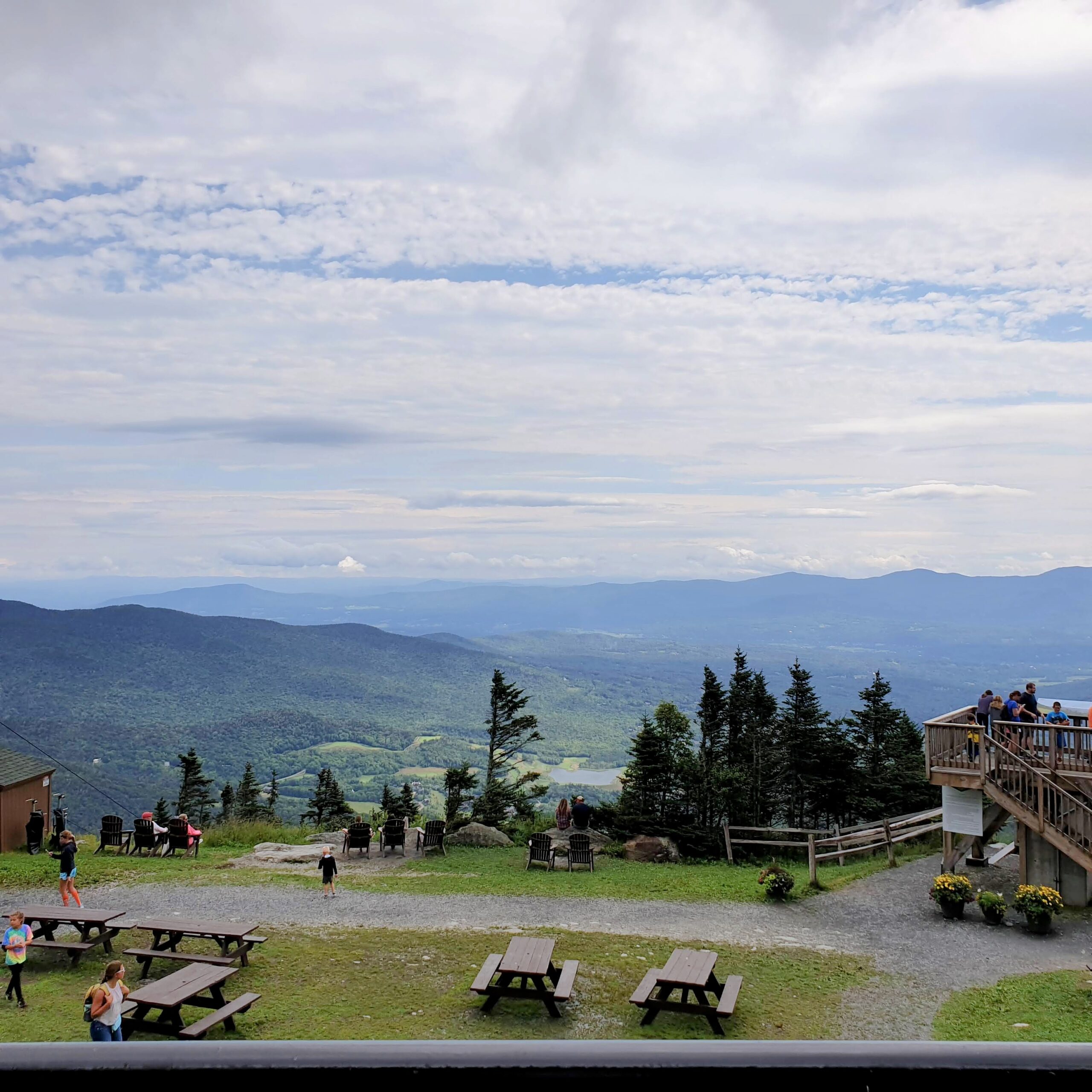
Stowe is one of the strongest choices for travelers who want a postcard-style mountain village after the busiest New England foliage weekends have passed. The combination of Mount Mansfield, covered bridges, historic buildings, inns, restaurants, and scenic back roads gives Stowe plenty of atmosphere even when most leaves are already on the ground.
Peak foliage in the Stowe area usually arrives from late September into early October, with color often continuing through part of October depending on weather and elevation. A late-October or November visitor should therefore come for mountain scenery, quiet roads, food, fireplaces, and village charm rather than expecting peak leaves.
The shoulder-season advantage is lighter tourism pressure. The challenge is that some attractions tied to the summer and fall season may stop operating before ski season begins. Snow is also possible well before winter officially starts, particularly at higher elevations.
Stowe becomes especially convenient once its winter transportation schedule begins. For the 2026-27 season, the free Mountain Road Shuttle is scheduled to start November 27, connecting parts of town with Stowe Mountain Resort and Spruce Peak.
For a two-night trip, staying near Stowe Village or Mountain Road reduces driving and makes it easier to adjust plans if conditions deteriorate. Burlington International Airport is the most practical major airport for many visitors, although a rental car remains useful.
Best for: Couples and weekend travelers who value village atmosphere, restaurants, lodging variety, and scenic drives as much as hiking.
Before leaving home: Confirm operating dates for gondolas, toll roads, restaurants, and resort activities instead of assuming fall attractions remain open through November.
#3 Leavenworth, Washington
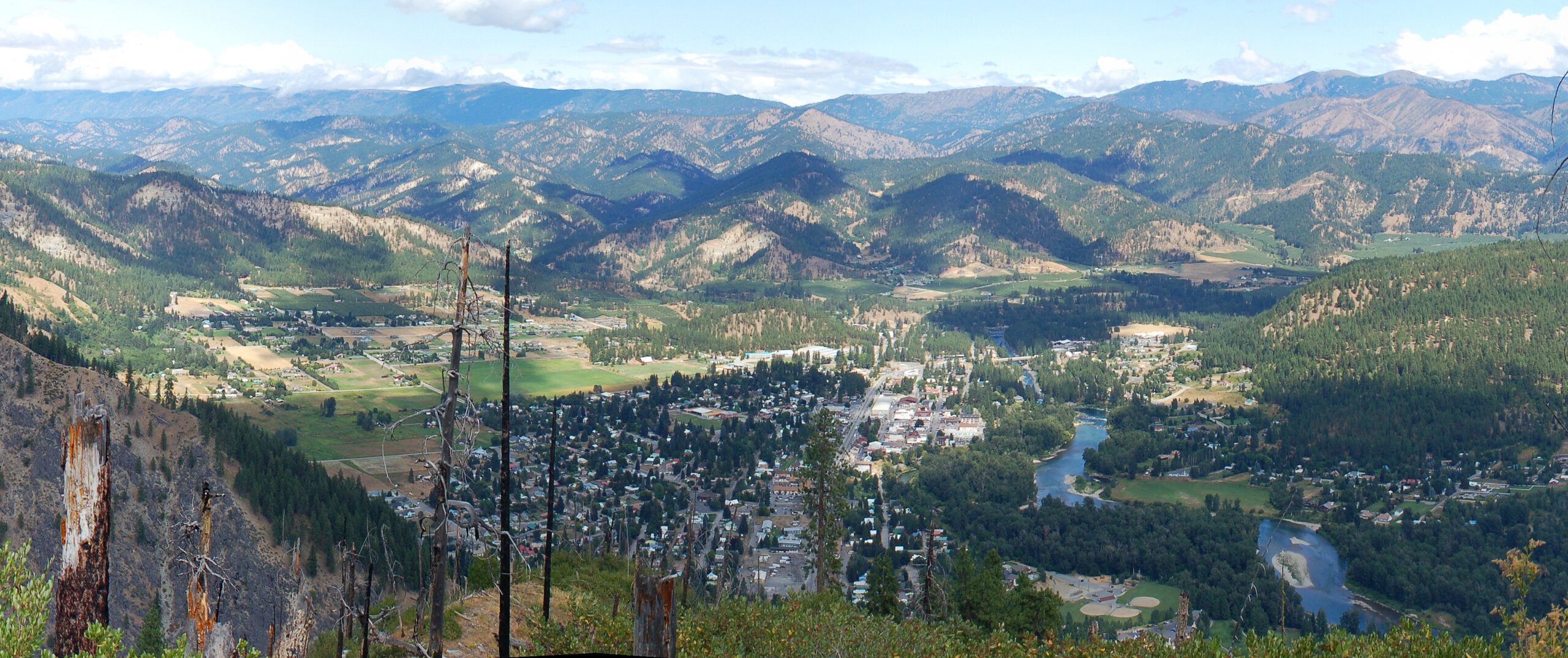
Leavenworth stands out because the town itself is a major part of the experience. Its Bavarian-style center is compact and walkable, while steep Cascade Mountain scenery rises around the Wenatchee River valley. That makes it easier to enjoy a late-fall weekend even when hiking conditions are poor.
October is the stronger choice for foliage. Western larches and other fall color typically make the surrounding area especially attractive earlier in the season. By November, however, travelers should think of the trip as an early-winter mountain getaway rather than a leaf-peeping vacation.
The main planning issue is road access. Leavenworth sits between mountain passes, and official local travel guidance specifically advises checking conditions from November through April. Drivers coming from Seattle commonly use US-2 over Stevens Pass, which reaches an elevation above 4,000 feet. Traction-tire or chain requirements can appear with little notice, and avalanche control can temporarily interrupt travel during winter weather.
That risk is why Leavenworth ranks below Stowe despite its excellent town center. A clear forecast can make the Seattle-to-Leavenworth drive straightforward. A strong early-season storm can turn the same weekend into a transportation problem.
Once visitors arrive, however, the concentrated downtown area reduces the need for repeated mountain driving. Restaurants, shops, lodging, and riverfront walks can fill a short trip even if higher trails are snowy.
Best for: Travelers who want a lively, walkable mountain town and do not mind monitoring road conditions closely.
Before leaving home: Check Washington State Department of Transportation conditions for Stevens Pass, Blewett Pass, and US-2. If driving a rental car, know whether it is equipped for active traction requirements.
#4 Jackson, Wyoming
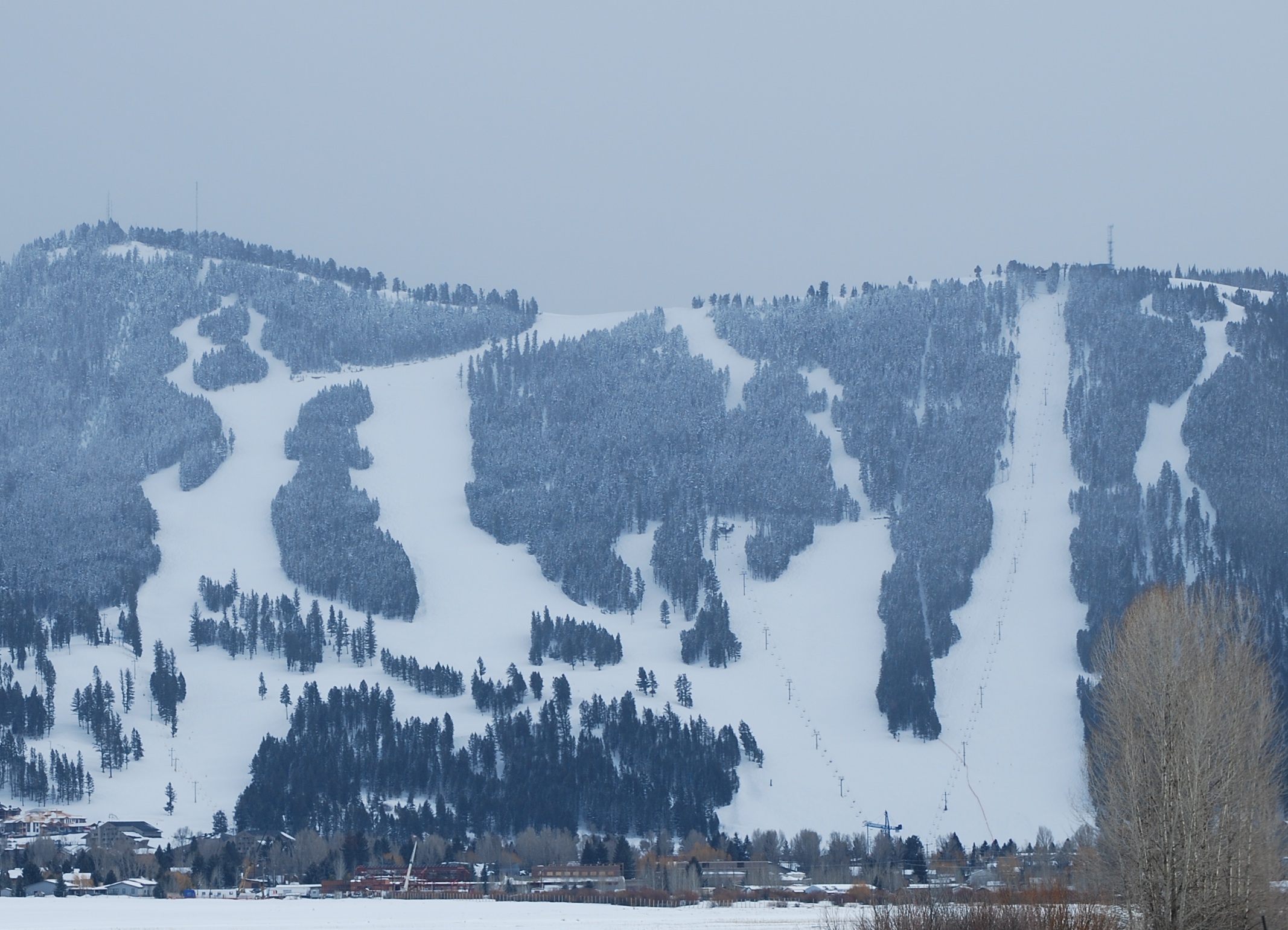
Jackson offers some of the most dramatic scenery on this list. The Teton Range sits just north of town, Grand Teton National Park is close by, and Jackson itself has enough hotels, restaurants, galleries, shops, and indoor attractions to support a weekend even when outdoor plans change.
November is also unusually quiet. Visit Jackson Hole describes it as one of the area’s least-visited months, which can make last-minute lodging and restaurant reservations easier than during summer or ski season.
The reason Jackson ranks fourth is that November brings significant seasonal change inside Grand Teton National Park. The park remains open year-round, but from November through April some roads close, campgrounds shut down, and many visitor facilities either close or operate on reduced schedules. The Craig Thomas Discovery and Visitor Center, for example, is scheduled to close for winter beginning November 1.
Foliage should not be the main reason for a November visit. Jackson’s aspen color usually peaks much earlier, around September into early October. Late fall is better for snow-dusted peaks, wildlife viewing, quiet streets, and a slower pace.
Flying can simplify the trip. Jackson Hole Airport is close to town and is served year-round by Alaska, American, Delta, and United, although specific nonstop routes vary by season.
Best for: Travelers who prioritize huge mountain scenery and quiet conditions over having every national park facility open.
Before leaving home: Build your itinerary around current Grand Teton road and facility status rather than a summer map.
#5 Telluride, Colorado
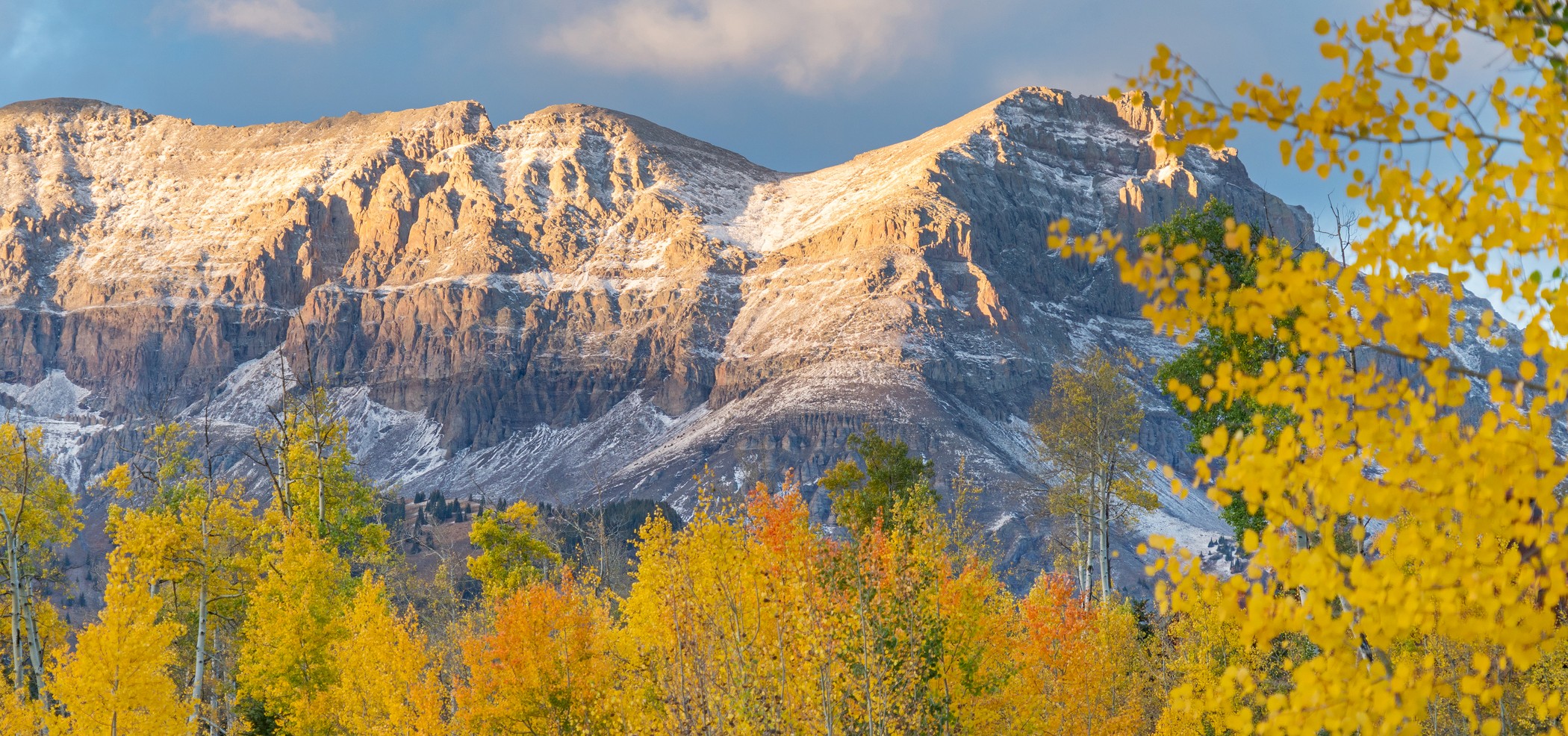
Telluride may offer the most spectacular setting of all five towns. The historic town sits in a box canyon beneath the San Juan Mountains, with steep peaks and waterfalls creating scenery that feels dramatic even after autumn color has faded.
It ranks fifth because late October through mid-November is a genuine transition period. Summer attractions have finished, while winter operations may not yet have begun. That can be wonderful for travelers seeking silence and uncrowded streets, but it requires more planning than the other destinations.
A good example is Telluride’s free gondola connecting the town with Mountain Village. For 2026, summer operations are scheduled to end October 25, while winter service is scheduled to begin November 20. During the closure, bus service provides an alternative, but visitors arriving in that gap should not expect the gondola experience normally associated with Telluride.
Drivers also need to treat early snow seriously. Colorado can activate passenger-vehicle traction requirements when conditions warrant. Depending on the vehicle and current restriction, travelers may need qualifying tires, four-wheel or all-wheel drive, chains, or another approved traction device.
For that reason, Telluride works best for flexible travelers who are comfortable checking forecasts, road conditions, restaurant schedules, and hotel availability shortly before departure.
Best for: Travelers seeking dramatic scenery and a very quiet mountain-town experience rather than a packed activity schedule.
Before leaving home: Check the gondola calendar, CDOT road conditions, and individual restaurant hours. Shoulder-season business schedules can matter as much as weather.
How to Plan a Late-Fall Mountain Weekend
Late fall rewards flexibility. For a two- or three-night trip, avoid building an itinerary around one mountain road, trail, or lift. Choose at least one scenic drive, one town-based activity, and one indoor backup.
Check the forecast again 24 to 48 hours before departure. Mountain temperatures can be far colder than conditions at the nearest airport or lower-elevation city. Sunset also comes early in November, so schedule hikes and scenic drives earlier than you would during summer.
Finally, verify attraction hours directly. Shoulder season is when online travel guides become least reliable because restaurants, gondolas, visitor centers, and seasonal roads can switch schedules within a few weeks.
FAQ
Is November too late for a mountain-town vacation?
No. November can be excellent if you value smaller crowds and quieter towns. The key is choosing a destination with year-round lodging and dining rather than relying entirely on seasonal outdoor attractions.
Should I rent an AWD vehicle?
It depends on the destination and forecast. It is particularly worth considering for Colorado, Wyoming, and Washington mountain trips. AWD does not replace winter tires or chains when local regulations require them.
Where is fall foliage most likely to last into late October?
The southern Appalachians around Gatlinburg generally offer a better chance of later-season color than high-elevation destinations in Colorado, Wyoming, or northern New England. Exact timing changes every year with temperature, rainfall, wind, and elevation.
Final Thoughts
A late-fall mountain weekend is less predictable than a September trip, but that is also part of its appeal. Gatlinburg offers the easiest combination of scenery and year-round access, while Stowe and Leavenworth pair mountain landscapes with attractive town centers. Jackson delivers extraordinary scenery during one of its quietest periods, and Telluride rewards travelers willing to embrace a true shoulder-season schedule.
Wherever you go, treat road conditions and seasonal hours as part of the booking decision. A hotel bargain is not much of a bargain if the scenic road or attraction you planned to visit is already closed. Confirm transportation, operating calendars, and weather shortly before departure, and keep at least one flexible day in the itinerary.
References
Great Smoky Mountains National Park — Seasonal Road Schedule — Supports information about year-round primary roads and 2026 seasonal road closing dates near Gatlinburg.
Go Stowe — Fall Foliage — Supports typical Stowe foliage timing and the effect of elevation on fall color.
Leavenworth — Travel Advisories — Supports information about Stevens Pass, Blewett Pass, winter driving conditions, and possible traction requirements.
Grand Teton National Park — Operating Hours and Seasons — Supports details about November facility, campground, and road reductions near Jackson.
Town of Mountain Village — Telluride Gondola — Supports the 2026 fall closure and winter reopening dates for the Telluride-Mountain Village gondola.
Colorado Department of Transportation — Passenger Vehicle Traction and Chain Laws — Supports Colorado winter-driving and traction-law guidance.