
Late fall can be one of the smartest times of year for a national park road trip. By late October and November, the busiest summer crowds have usually faded, hotel demand can ease in some gateway towns, and cooler temperatures make long drives and hikes more comfortable. The tradeoff is that daylight becomes shorter, mountain weather becomes less predictable, and seasonal road and facility closures start appearing.
For 2026, that makes choosing the right park especially important. A national park that is spectacular in July may be a poor November road-trip choice if its signature roads are already buried in snow. The five parks below were ranked for practical late-fall travel, not simply scenery. The main factors are road accessibility, November weather, seasonal closures, lodging and camping options, crowd levels, and how much of the park can still be enjoyed from a vehicle or on relatively short hikes.
Conditions can change quickly, particularly at higher elevations. Travelers should check the National Park Service alerts for their destination shortly before departure and again on the morning of any major scenic drive.
#1 Zion National Park
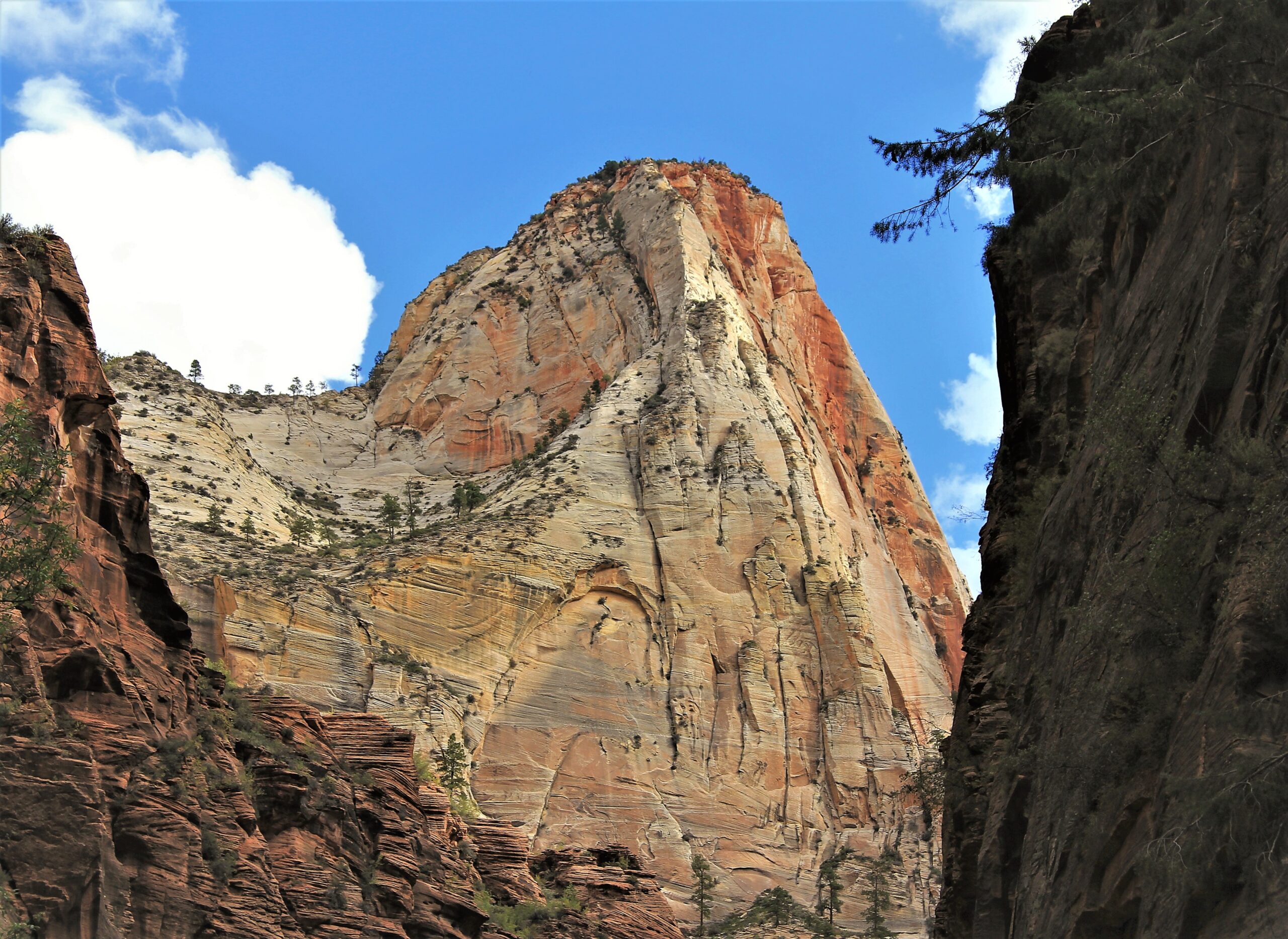
Zion National Park in Utah earns the top spot because November offers an unusually strong combination of scenery, manageable weather, transportation access, and reduced crowds. Fall color often reaches lower Zion Canyon around late October and early November, while temperatures are generally much more comfortable for hiking than they are during summer.
The biggest planning detail is Zion’s shuttle system. In 2026, the Zion Canyon shuttle is scheduled to operate through November 28, with reduced fall hours. During shuttle operations, most private vehicles cannot simply drive up Zion Canyon Scenic Drive. That means a road-trip traveler should treat the visitor center or Springdale as the parking hub and continue into the canyon by shuttle.
After regular shuttle service ends, access rules change, so travelers arriving around Thanksgiving should confirm the exact operating schedule before leaving home. The Zion-Mount Carmel Highway is normally kept open year-round, although temporary closures can occur because of snow, ice, rockfall, or traffic. Higher roads such as Kolob Terrace Road are much less dependable once winter weather begins.
Overnight planning remains important. Watchman Campground is generally open year-round and requires reservations. South Campground closes for winter beginning in late October, while Zion Lodge operates year-round with reduced winter services. Springdale also has a large supply of hotels just outside the park.
Why it ranks #1: Zion gives late-fall travelers a substantial amount of accessible scenery without requiring high-elevation mountain driving. November also brings noticeably lighter visitation than the peak season, although Thanksgiving weekend can still be busy.
#2 Joshua Tree National Park

Joshua Tree National Park in Southern California is one of the safest bets for a November road trip because late fall is the beginning of its comfortable desert travel season rather than the end of it.
The park is open 24 hours a day throughout the year, and no advance reservation is required simply to enter. Unlike mountain parks where November can eliminate entire sections of the road network, Joshua Tree’s main paved roads normally remain usable unless unusual weather or another temporary closure occurs.
Fall daytime temperatures are typically far more comfortable than summer conditions. Nights, however, can become cold, and temperatures can approach or fall below freezing during winter weather, particularly at higher elevations. Travelers should pack layers even when the afternoon forecast looks mild.
Camping requires more advance thought. Most of Joshua Tree’s 500-plus campsites are reservable, and the National Park Service warns that fall through spring is its busy season. Reservation campgrounds can be booked up to six months ahead. First-come, first-served campgrounds are particularly competitive on weekends and holidays.
Visitors staying in hotels should remember that there are no hotels, restaurants, grocery stores, or gas stations inside the park. Gateway communities including Joshua Tree, Twentynine Palms, and Yucca Valley are therefore important parts of the itinerary. Fill the tank and carry plenty of water before beginning a long loop through the park.
Why it ranks #2: The weather is becoming better rather than worse as November arrives, the principal driving routes generally remain accessible, and there is no entrance reservation system to organize around. It loses the top position mainly because November weekends can still be busy and camping demand is strong.
#3 Great Smoky Mountains National Park
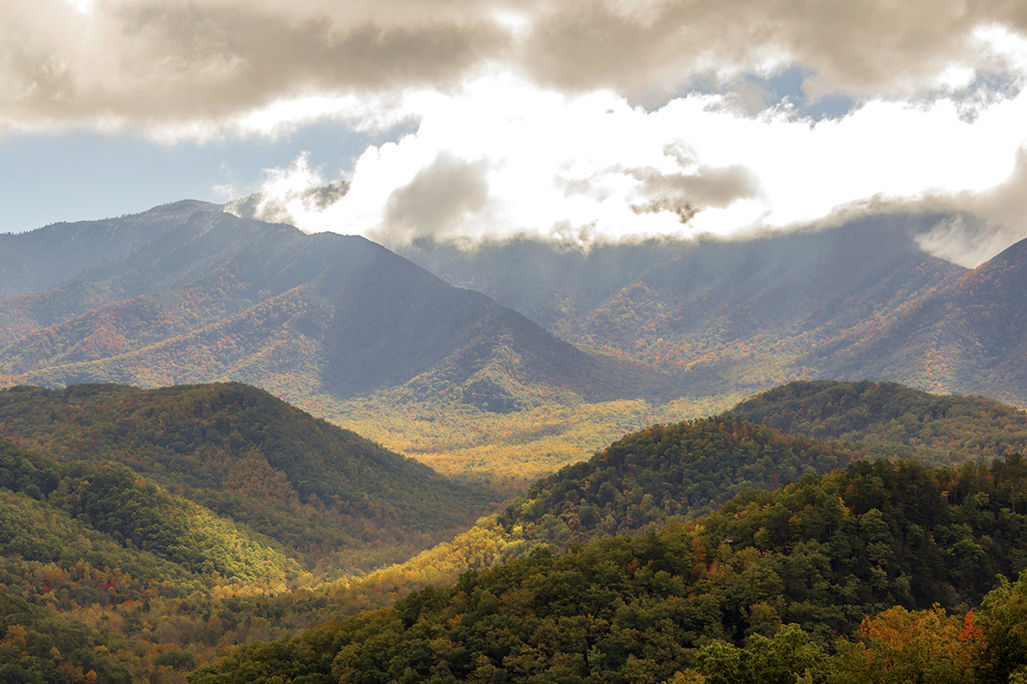
Great Smoky Mountains National Park is the strongest eastern U.S. choice for travelers who want mountain scenery without assuming that every scenic road will remain open deep into winter.
The park’s primary routes, including Newfound Gap Road, Little River Road, and Cades Cove Loop Road, are intended to remain open year-round, weather permitting. That is a major advantage for a late-fall road trip. Cades Cove also provides a scenic driving loop where wildlife viewing can remain rewarding after the peak foliage period.
There is still a seasonal clock to watch. Kuwohi Road, which leads toward the park’s highest developed viewpoint area, is scheduled to remain open through November 29 in 2026 but can close earlier temporarily because of snow or ice. Many secondary roads and facilities also shut down seasonally.
Weather varies dramatically with elevation. November nights can approach freezing, and snow is possible in the higher mountains even when communities such as Gatlinburg or Cherokee have relatively mild conditions. Drivers should avoid assuming that weather at their hotel reflects road conditions at Newfound Gap.
For campers, Cades Cove and Smokemont campgrounds remain open year-round, while the park’s other front-country campgrounds operate seasonally. Gatlinburg, Pigeon Forge, Townsend, and Cherokee provide extensive off-site lodging choices.
Why it ranks #3: The Smokies combine excellent road-trip infrastructure with several year-round roads and overnight options. The main drawback is weather uncertainty at elevation, so flexible travelers will get more from a November visit than those depending on one particular mountain viewpoint.
#4 Death Valley National Park
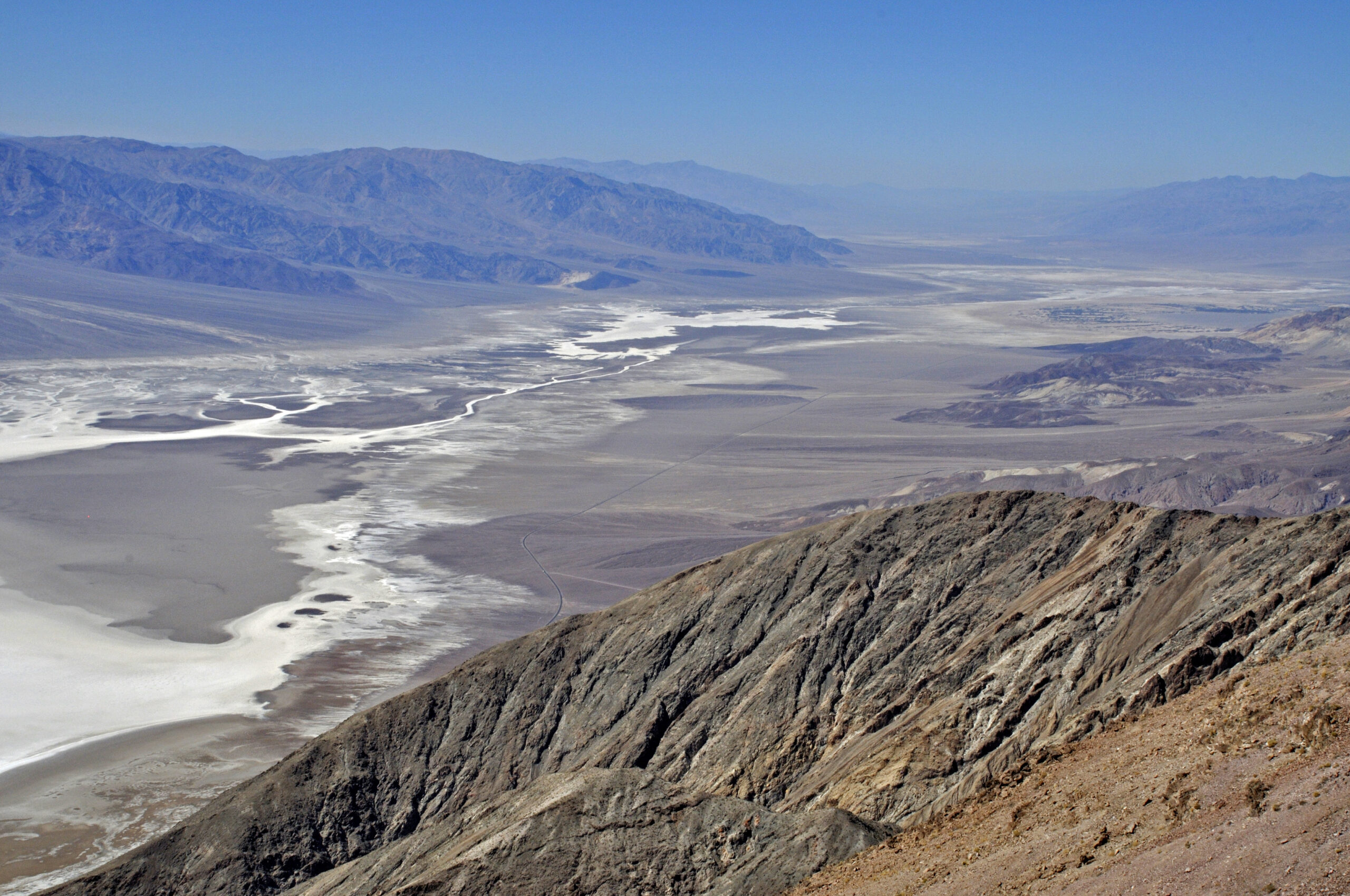
Death Valley moves dramatically up the road-trip list once November arrives. Temperatures that make summer travel dangerous become far more manageable, and the park’s enormous desert landscapes are particularly well suited to driving.
However, 2026 road conditions require more planning than usual. As of late September, the National Park Service continued to list several closures and damaged road sections related to flooding and repair work. Scotty’s Castle access and Bonnie Clare Road remain closed, while other paved and unpaved routes have restrictions or caution notices. Titus Canyon also has scheduled repair-related closures affecting late 2026 access.
That does not make Death Valley a poor choice. Major destinations reached by established paved roads can still support an excellent trip, but travelers should build their itinerary from the current NPS road-status map instead of relying on an older guidebook or saved online route.
Camping availability improves substantially during the cooler season. The park’s popular campground season generally runs from mid-October through mid-April, although individual campground opening dates can change. Furnace Creek accepts reservations during the cooler season, while other camping options operate under different reservation or first-come rules.
Distances are another consideration. Fuel, food, water, and cell coverage can be limited, so late daylight matters. Avoid beginning a remote scenic detour late in the afternoon simply because temperatures are comfortable.
Why it ranks #4: November weather is ideal compared with summer, crowds are manageable outside holiday periods, and the landscape is made for a road trip. Ongoing road repairs and the sheer remoteness of the park keep it below Zion, Joshua Tree, and the Smokies for travelers seeking the simplest itinerary.
#5 Shenandoah National Park
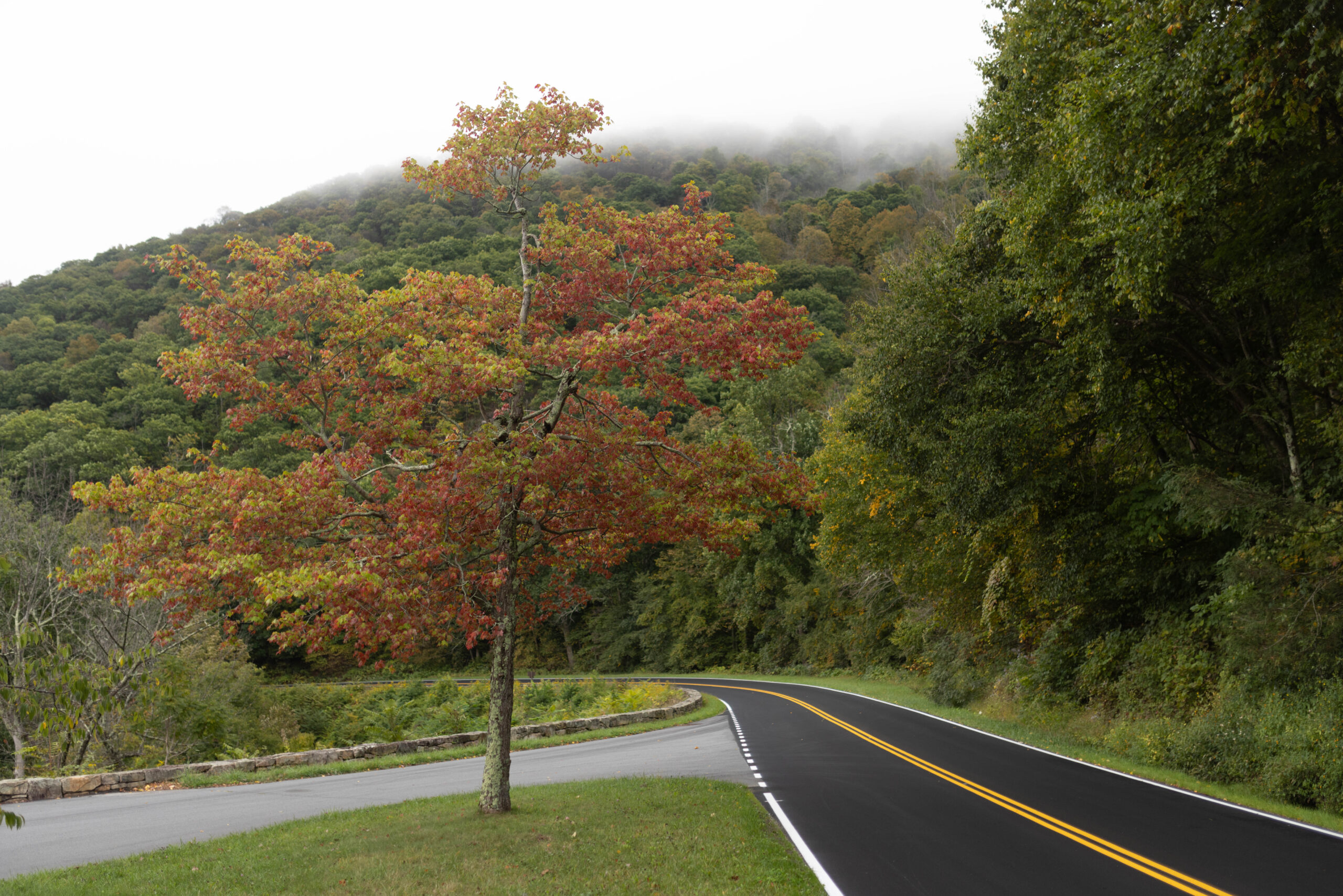
Shenandoah National Park in Virginia is a particularly convenient late-fall option for East Coast travelers, especially those looking for a scenic weekend rather than a long expedition.
Skyline Drive runs 105 miles along the Blue Ridge Mountains and is the park’s central road-trip attraction. It is generally open throughout the year, but temporary closures can occur whenever ice, snow, or other hazardous weather reaches the ridgeline.
By November, the famous peak foliage season is usually ending or finished at higher elevations. That may sound like a disadvantage, but bare trees can open longer mountain views, while traffic is generally lighter than during October’s busiest foliage weekends. Travelers focused primarily on autumn color should favor late October or very early November. Travelers prioritizing quieter overlooks may actually prefer later dates.
Most park facilities begin closing for the season by late November, so food, fuel, lodging, and visitor-center plans should be checked in advance. Daytime winter-season temperatures can be cold, with the National Park Service noting typical winter daytime averages in roughly the 29°F to 39°F range.
Because Skyline Drive is the only public road running through the park, weather closure has an unusually large effect on a road-trip itinerary. Keep a backup plan in the Shenandoah Valley or nearby Virginia towns rather than making every hotel reservation dependent on driving the full length of Skyline Drive.
Why it ranks #5: Shenandoah is extremely road-trip friendly when Skyline Drive is open and is easy to combine with a short East Coast getaway. Its lower ranking reflects November weather risk and the increasing number of seasonal facility closures.
Late-Fall 2026 Road-Trip Comparison
| Park | Best Late-Fall Advantage | Main Planning Risk | Overnight Strategy |
|---|---|---|---|
| Zion | Cooler canyon weather and fewer November visitors | Shuttle schedules and higher-elevation winter closures | Reserve Springdale lodging or Watchman Campground early |
| Joshua Tree | Comfortable desert driving season | Busy weekends and limited services inside the park | Reserve camping or stay in nearby desert towns |
| Great Smoky Mountains | Several important roads remain open year-round | Snow and ice at higher elevations | Use gateway-town lodging or year-round campgrounds |
| Death Valley | Much better temperatures than summer | Long distances and ongoing road closures | Book Furnace Creek-area stays and verify road status |
| Shenandoah | Easy scenic drive for East Coast travelers | Skyline Drive may close during winter weather | Keep a flexible hotel and route backup plan |
How Far Ahead Should You Book?
For a normal November weekday, hotel availability may be better than during summer or peak foliage season, but popular park lodging and campgrounds should not be treated as last-minute options. For Zion, Joshua Tree, or any Thanksgiving-week trip, booking several months ahead is sensible when your dates are fixed. Joshua Tree reservation campsites and Zion’s Watchman Campground can be reserved up to six months ahead.
If your priority is weather flexibility rather than a specific lodge, consider refundable gateway-town lodging. A flexible reservation can be more valuable in late fall than saving a small amount on a nonrefundable room, particularly at Shenandoah or the Smokies where mountain weather can alter plans quickly.
Late-Fall National Park Road Trip FAQ
Are national parks less crowded in November?
Many are, particularly after peak fall-color weekends. However, desert parks become more popular as temperatures cool, and Thanksgiving can produce significant crowds at destinations such as Zion and Joshua Tree.
Do I need snow chains?
Requirements depend on the park, state, road, vehicle, and current conditions. Mountain roads at parks such as Shenandoah, Zion, and Great Smoky Mountains can experience snow or ice. Check NPS alerts and state transportation information immediately before traveling.
Should I plan fewer activities because daylight is shorter?
Yes. November days are significantly shorter than summer days. Start scenic drives earlier, especially in large parks such as Death Valley where attractions may be separated by long driving distances.
Do these parks require timed-entry reservations in late fall?
Joshua Tree does not require an advance reservation simply to enter. Other transportation, camping, tours, or lodging reservations may still be required. Because park systems can change, check the official park page before departure rather than relying on requirements from a previous trip.
Plan for Flexibility, Not Just Fall Color
The best late-fall national park road trip is not necessarily the park showing the brightest leaves. In November 2026, accessibility matters just as much as scenery. Zion offers perhaps the best overall balance. Joshua Tree and Death Valley benefit from increasingly comfortable desert temperatures. Great Smoky Mountains keeps several important driving routes available through the season, while Shenandoah provides a convenient East Coast escape when Skyline Drive remains clear.
Whichever park you choose, build a flexible itinerary. Check road alerts several days before departure, check them again the morning you enter the park, reserve critical lodging early, carry food and water when services are limited, and plan driving around early sunsets. Late fall rewards travelers with quieter roads and dramatic scenery, but only when the itinerary leaves room for the season to change the plan.
References
- National Park Service — Zion National Park Current Conditions — Supports information about Zion-Mount Carmel Highway access, winter road risks, and seasonal closures.
- National Park Service — Joshua Tree First-Time Visitor’s Guide — Supports park access, seasonal temperatures, services, and reservation guidance.
- National Park Service — Great Smoky Mountains Seasonal Road Schedule — Supports 2026 primary-road access and the scheduled Kuwohi Road closing date.
- National Park Service — Death Valley Alerts & Conditions — Supports current 2026 road closures, repair work, and travel cautions.
- National Park Service — Driving Skyline Drive — Supports information about Skyline Drive’s length, normal operating status, and weather-related closures.